
Top Talent: Navigating Counter-Offers and the New Normal
The workplace landscape has transformed dramatically in the wake of the COVID pandemic, remote work shifts, and the cultural phenomenon of the “I quit” craze. Employers are now re-evaluating their strategies to retain top talent, including leaning heavily on counter-offers—a practice that was once discouraged but is increasingly common. Moreover, the concept of the “returned employee,” where individuals rejoin former employers, is now part of the norm.
The Workforce Transformation
As Baby Boomers retire, the resulting talent gap has amplified the urgency of retaining employees. The statistics are staggering:
- Baby Boomers are retiring en masse, creating a workforce vacuum.
- Millennials have officially overtaken Boomers as the largest generational cohort in the workforce.
- There are three million fewer job seekers, compounding the challenge.
The trend of people quitting their jobs without notice, epitomized by moments like Antonio Brown’s dramatic mid-game departure, has further disrupted the landscape. These dynamics are forcing employers to pivot from simply recruiting talent to focusing on retention strategies, with counter-offers now seen as a vital tool for stability.
The Counter-Offer Conundrum
Historically, recruiters and career coaches advised against accepting counter-offers, cautioning that they often come with strings attached. However, the current climate has reshaped these norms, making counter-offers a more prevalent and acceptable option. Still, the risks remain:
- Short-Term Fixes, Long-Term Problems: Accepting a counter-offer might provide immediate gratification but rarely addresses the root causes of dissatisfaction. It’s likely the same frustrations that prompted a candidate to leave will resurface within months.
- Erosion of Trust: Once an employee declares their intent to leave, they often lose their standing in the “inner circle” of the organization. Employers may see them as a liability rather than an asset.
- Unchanged Dynamics: The management and cultural issues that motivated the decision to leave rarely disappear after a counter-offer.
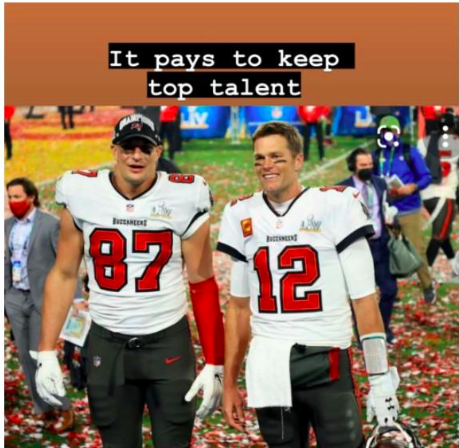
Key Questions for Candidates Considering Counter-Offers
For recruiters, navigating a candidate’s decision-making process is crucial. Some critical factors to evaluate include:
- Rational vs. Emotional Decisions: Are they basing their choice on logic or immediate feelings?
- External Influences: Who is advising them? Are these voices grounded in reality?
- Long-Term Goals: Will staying align with their personal and professional aspirations?
- Exit Strategies: What happens when the initial glow of the counter-offer fades?
Advice to Candidates
If a candidate considers a counter-offer, they must reflect deeply:
- Evaluate Intentions: Why did they want to leave in the first place? Have those reasons truly changed?
- Anticipate the Fallout: Recognize that accepting a counter-offer might make them the first to be let go during restructurings or downturns.
Crossing the Rubicon
Quitting a job is often a point of no return. Candidates should understand that their employer’s sudden interest might not represent a genuine long-term commitment but rather a temporary solution. To succeed in the modern workforce, candidates must prioritize alignment with their values, goals, and instincts over short-term gains.
So, the next time a counter-offer lands on your desk, just remember: it might sound great in the moment, but it’s not exactly a lifetime subscription to free coffee and VIP parking. Think of it like getting a late-night text from your ex-boss—they might say they miss you, but that doesn’t mean you should pack your bags and move back in. At the end of the day, follow your gut, not just your bank account. And maybe—just maybe—leave the counter-offers for Monopoly night.
*Crossing the Rubicon” is a popular idiom meaning to pass a point of no return. It refers to Caesar’s 49 BC crossing of the river, which was considered an act of war.
 josephkreuz.com
Not looking at my age. But most interesting Joe. Thanks
Sent from my iPhone
>