The “Atlas Shrugged” story is this: a close friend who had been consistently hiring employees through our services was at first a business partner. We collaboratively built a dynamic team for her thriving enterprise, and our shared commitment to an early morning work ethic brought us even closer. Meeting in the early hours at my office to conduct interviews, we solidified a bond that would endure a lifetime. She loved the vibrant atmosphere of our workplace and extended a lunch invitation to meet her boss, a highly influential figure in our community, and share my own journey. How could I possibly decline such an opportunity?
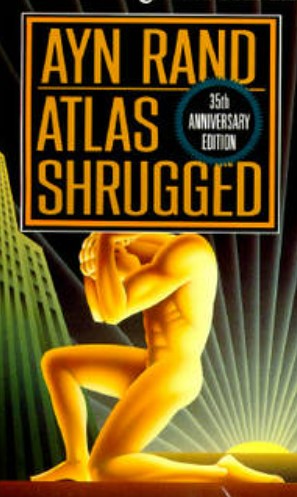
During the luncheon, we conversed on many topics, and I proudly affirmed my reading habit. To my surprise, she recommended I delve into “Atlas Shrugged.” It took me just 50 pages to become engrossed, and I still treasure the original copy, now adorned with my copious notes and annotations in the margins. Little did I know back then about the profound impact that this book would have on my life. What struck me most about “Atlas Shrugged” and other books was their uncanny ability to resonate with the circumstances of my life at that precise moment. It was a great time in my life to be introduced to Ayn Rand and her ideology. At the time (1998), I can’t remember a time since a book has had such an impact on my worldview. My own personal weltanschauung. When I look back, I think Rand’s words were so striking at first because there was such a sense of invigorating creativity. Her fictional heroes were strong and unapologetically superior. I was motivated by their vitality. Since then, the book is often mentioned as I continue my journey. Most recently with the crash of FTX, the Enron meltdown post-2002, and the real estate bust in 2007.
My real journey into the world of reading began on September 3, 1993. I decided to quit my job and start my own business. My business partner presented me with a diverse and thought-provoking selection of books that would come to shape my entrepreneurial journey. Looking back to my high school days, I was never much of a reader or wordsmith. Instead, I used to rush to Ulbrichs for Monarch Notes to avoid reading books assigned for my classes, while my National Honor Society Club friends devoured literature in its entirety. As I embarked on my newest journey, I found myself in the midst of a non-compete agreement, a period of enforced professional inactivity. It was during this time that my journey of self-discovery and reading began. I engaged in what could only be described as a personal “walkabout.” These books became my guides, leading me on a transformative journey of self-improvement and enlightenment. They challenged my existing beliefs, expanded my horizons, and equipped me with the wisdom necessary to navigate the complexities of building a business.
Among the eclectic mix of books were titles such as “In Search of Excellence,” “The Seven Habits of Highly Effective People,” “Siddhartha”, “Swoosh” and many more, The books also included the profound insights of philosopher Will Durant and his wife, accompanied by a selection of enthralling history books, which added an exciting dimension to my reading list. Five years later, “Atlas Shrugged” hit my shelf.

I’ve developed a profound appreciation for the opportunities we have in this country. Ayn Rand’s perspective, rooted in her experience in a communist society, highlights the stark contrast between those in power enjoying prosperity while the masses endure scarcity and hardship. Similarly, my mother-in-law’s life in post-WWII Germany, marked by deprivation, reflects the resilience and determination to forge a new life in America. Both experiences resonate deeply with me, emphasizing that in a land of opportunity and freedom, the pursuit of one’s dreams can indeed become a reality when they take that chance.
In 2020, I felt compelled to revisit the works of Ayn Rand. As I compared my Kindle notes from that recent reading to the annotations I had made back in 1998, I noticed a distinct shift in my perspective. During my initial encounter with her books in 1998, I was on a personal quest for self-identity, and her philosophy of “objectivism” provided valuable guidance and clarity during that period of my life. Since then, I have delved into all of her books, continuing to find profound insights that resonate with my evolving understanding of the world. As time has passed and my needs have evolved, I’ve come to appreciate the enduring wisdom of Ayn Rand’s writings. I find solace in often revisiting her work, as it serves as a powerful reminder that the most foundational and undeniable certainty lies within the self. The self is the wellspring from which all achievements and thoughts emanate. Rand’s philosophy places a premium on action over contemplation and the potential over the existing reality, and I’ve come to value this perspective deeply.
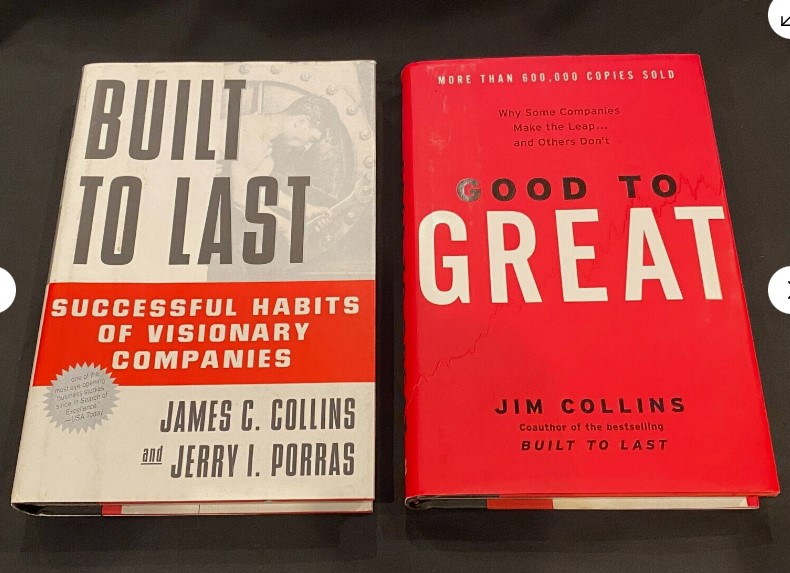
Now into my fifth decade of experience working closely with CEOs from diverse backgrounds, including second-generation business leaders and ambitious startup entrepreneurs, I’ve gained a profound understanding of their dedication to their companies and the individuals who depend on them for employment. It’s evident that for the majority of my clients, this responsibility weighs heavily on their shoulders. While it might appear challenging at times, it’s simply the way the world operates, and I’ve internalized a valuable lesson from one of my mentors: “people born round don’t die square.” This wisdom urges us to confront the realities we face and work diligently to make things right. Drawing from the insights of “Built to Last” and “Good to Great” by Collins, I’ve learned that successful companies are built on enduring principles and sustained excellence. In my own capacity as a business owner, I take great pride in the way I managed my companies and the relationships with my employees. They are not just colleagues; they are treated like family. However, I firmly believe in compensating individuals based on their respective contributions to our collective success. It’s a principle I uphold rigorously because not everyone brings the same level of value to the team. While I am committed to providing opportunities for personal and professional growth, it’s essential to acknowledge that there may be individuals who do not actively contribute. In such cases, my responsibility as an employer is to make informed decisions and ensure that resources are allocated to those who actively enhance our collective efforts rather than relying on the hard-earned contributions of others.
In my tenure, I’ve also supported candidates who were undervalued and treated poorly, motivating them to seek opportunities elsewhere where they can demonstrate their true worth and be appropriately compensated. This process hinges on their genuine contributions and willingness to put in the effort, illustrating the symbiotic relationship between job creators and those striving for improvement.
Recently, I chose to retire from the company we built from scratch with many great people. Much like Rearden’s ultimate decision to leave behind his steel empire, my choice to retire came not with regret, but with a renewed sense of purpose and liberation. Retiring from something I spent almost half of my life building isn’t about giving up—it’s about recognizing when it’s time to focus on what comes next. I’m more invigorated than ever with renewed energy and excitement for the future.
And let’s be frank, my perspective on characters like Dagny Taggart has definitely evolved. In my younger years, I might have seen her as a bit over-the-top with her unrelenting drive, but now I realize—she’s a role model! I’ve got four strong-willed daughters, a wife, and a twin sister who could absolutely hold their own with Dagny. I’m pretty sure they’d all take the helm of a railroad and still manage to run a household before breakfast. So, you could say my views on strong personalities have been, well… adjusted over the years.
 josephkreuz.com