Early Rising is a Tribute to Intention

There’s a quiet moment each day before the world wakes up—a thin slice of time that belongs to no one but you. For as long as I can remember, that hour has been my family’s anchor. I’ve come to call it “The Early Risers Club.” There’s no membership card and no rules, but the lessons behind it have shaped my life.

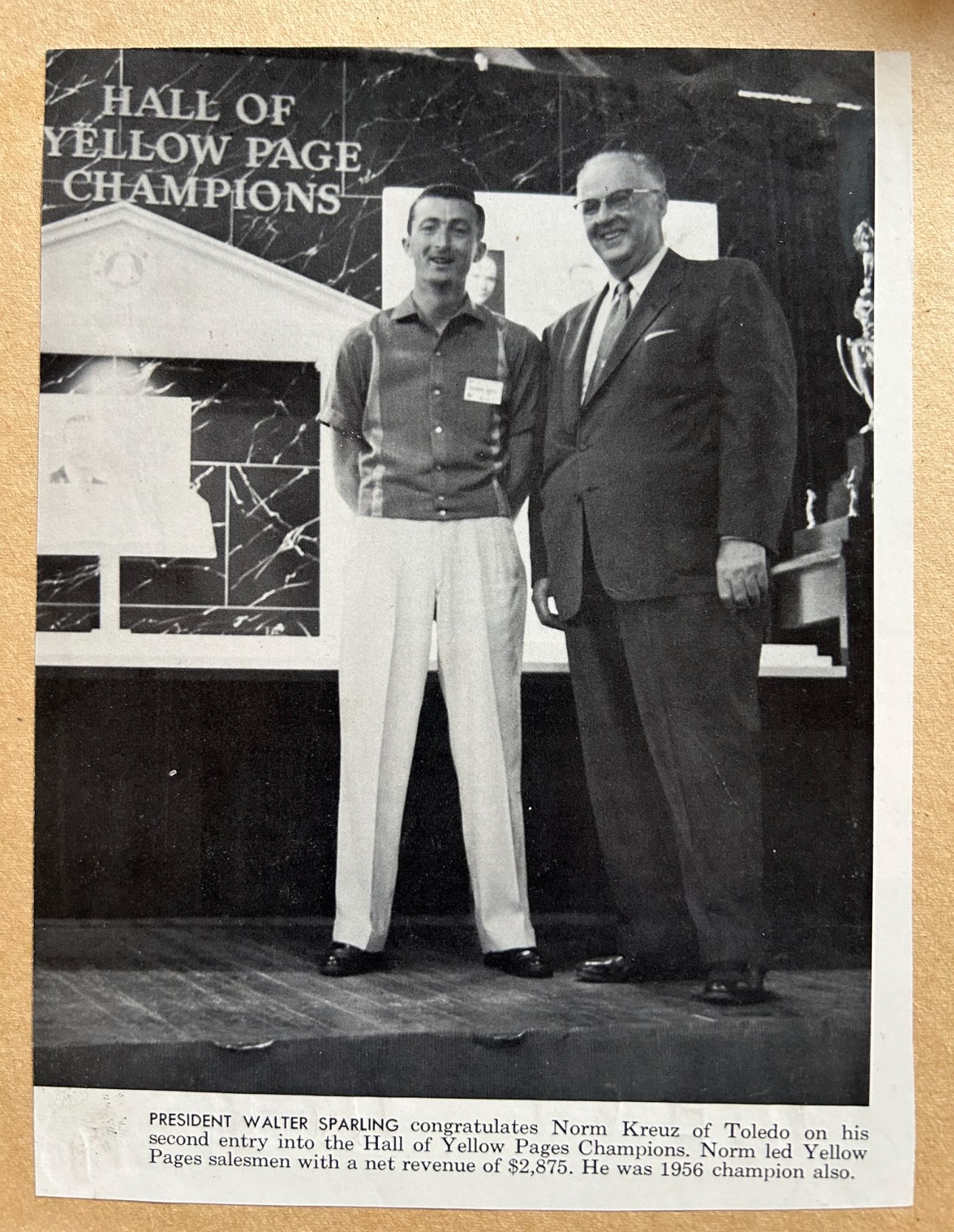
My earliest memories of mornings go back to my grandparents’ farms and to my dad, who grew up outside Toledo, Ohio. Before dawn, while most children slept, he was feeding livestock, gathering eggs and starting a long walk to school. It wasn’t glamorous or easy, but it instilled responsibility, discipline and purpose.

When I was a kid, those values showed up differently. Our mornings started early whether we liked it or not. Later, as a teenager, I delivered newspapers, a job that demanded consistency. You couldn’t hit snooze if the paper had to be on the porch before sunrise. Weather didn’t matter; the job had to get done. Looking back, those were some of the most formative mornings of my life.

What I didn’t realize then was that routines like these were laying a foundation. Like many habits we inherit from our parents, I didn’t appreciate their impact until years later.

Today, rising early isn’t about chores or paper routes. It’s about clarity. In those predawn hours, the noise of the world hasn’t started yet. There are no emails, no meetings—just space. The kind that lets you think, read or simply breathe.

People often ask how I find time to read so much. The answer is simple: I wake up early. Long before the day begins, I’ve already put my mind to work. Reading centers me and makes me more present for whatever comes next.

But the Early Risers Club isn’t really about productivity; it’s about presence. It reminds us that we choose how we start our day. Do we begin in reaction to the world, or with intention?

Friends and colleagues tell me they rely on the same principle: a workout, a book, a quiet moment of reflection or simply enjoying the stillness. The activity varies, but the effect is the same—starting the day on your own terms steadies everything that follows.

I think often of my family in those early hours. My dad passed not long ago, but I still hear his quiet steadiness in the morning silence. He never chased recognition. He believed in showing up, doing the work and treating people kindly. He didn’t give speeches about discipline—he lived it.

And that’s the real gift of the Early Risers Club: it connects you to the people who shaped you. My family didn’t explain their values; they demonstrated them. Each morning, I feel a little closer to them.

In a world filled with distraction and noise, maybe what we all need is a moment of stillness before the demands pile up—a chance to think about who we want to be and how we want to show up for others.

Whether someone wakes at 5 a.m. or 8 a.m. doesn’t matter. What matters is carving out a moment of intention before the day pulls you in a hundred directions.

The Early Risers Club isn’t exclusive. Anyone can join. All it takes is reclaiming the first few minutes of your day and filling them with something meaningful. For me, it’s a tribute to my family. For others, it may be something different. But the benefits are universal: clarity, intention and gratitude for those who shaped who we are.

And if all else fails, you can always call Jake from State Farm. He’s up early, too.
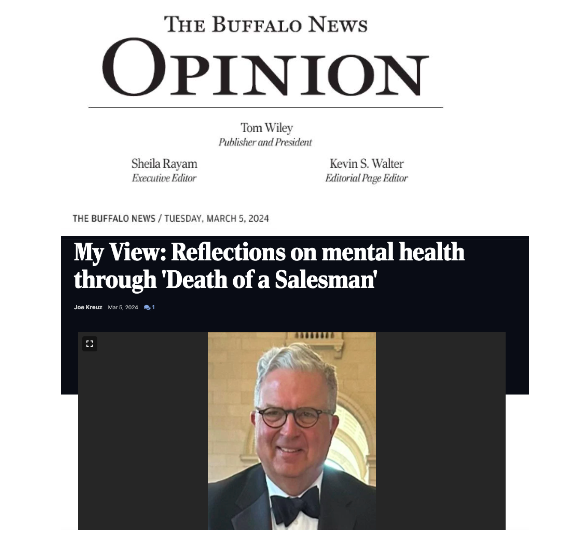
Death of a Salesman and the Ability to Embrace Disappointment

Title: Willie Loman’s Plight is Common Among Many Today

By Joe Kreuz

Originally published in The Buffalo News


Revisiting Death of a Salesman, a play I first encountered in high school 46 years ago, has provided me with a fresh perspective amid our current mental health crisis. Arthur Miller’s portrayal of Willy Loman’s tragic struggle underscores the devastating impact of unaddressed mental illness and the silent battles many continue to face.

Arthur Miller adeptly illustrates Loman’s inability to cope with change and personal crises, symbolized by the rubber hose — a poignant emblem of the internal struggles associated with mental health.

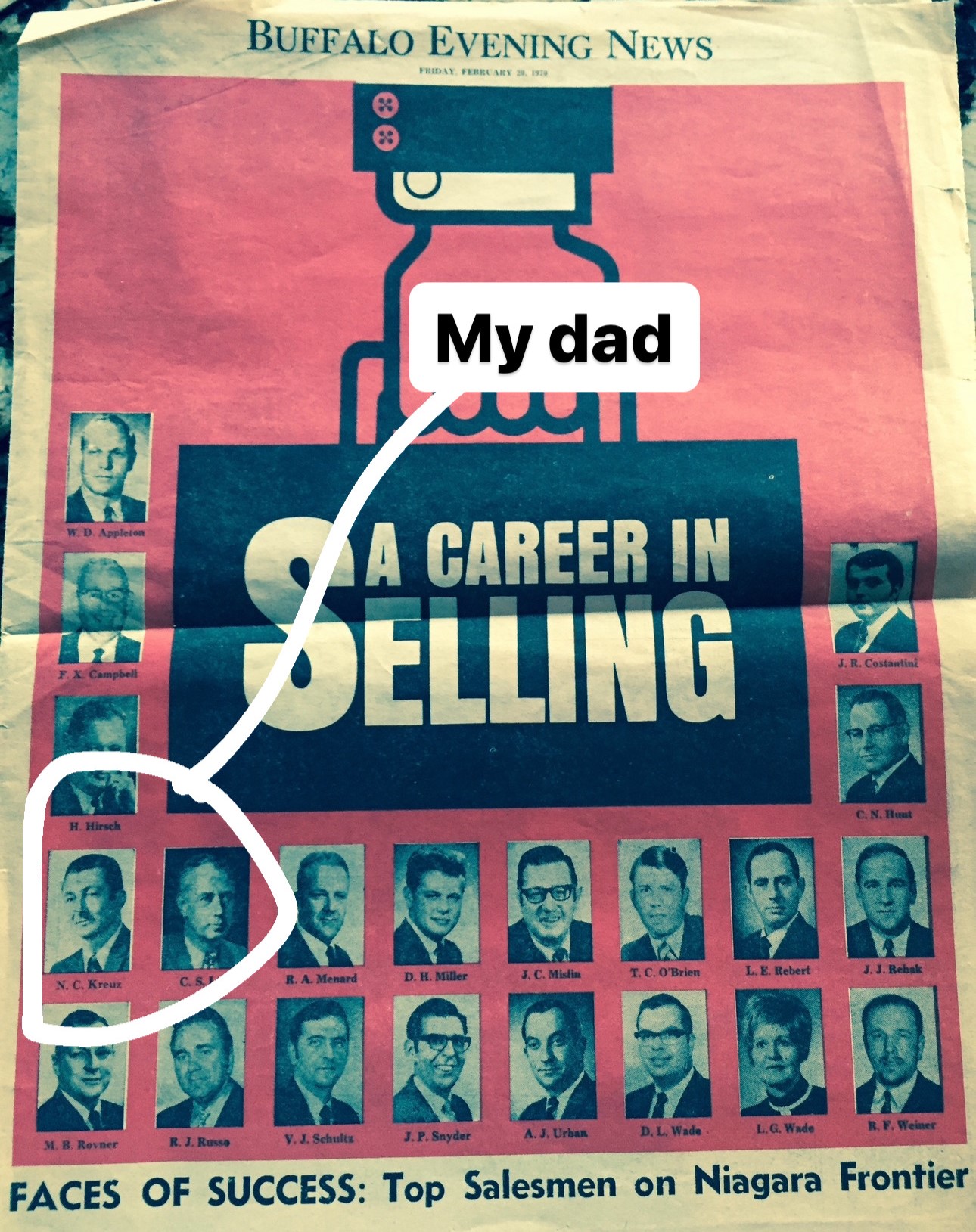
Considering this, I contrasted Loman’s despair with my father’s resilience through numerous career challenges. In 1949, when Miller penned the play, my father was 22, freshly returned from serving in the navy during WWII. My reflections on the play highlighted stark differences in handling adversity, not just between Loman and my father but also within broader society. My father’s mindset, treating each obstacle as a “mere speed bump,” vividly contrasts with Loman’s spiral into hopelessness.

The play brings to light the societal stigma surrounding mental illness, a significant barrier preventing many from seeking the help they need. This stigma exacerbates isolation and despair, emphasizing the urgent need to shift our perspective and treat mental illness with the empathy and seriousness it deserves.

Despite advances in understanding mental health, the stark reality depicted in Loman’s narrative remains all too prevalent. The initiatives by friends at organizations like Save the Michaels and BryLin Hospital, alongside countless others addressing mental health challenges, underscore the critical need for proactive engagement. Their work illuminates the extensive network of available resources, as well as the existing gaps in accessibility and acceptance.

My father’s resilience was significantly bolstered by a robust support system of family, friends, and colleagues. This network was pivotal in enabling him to navigate life’s challenges. The importance of such support is immeasurable, acting as a vital lifeline for many grappling with mental health issues.

Death of a Salesman serves as a profound meditation on human psychology and mental health, showcasing the vital role of literature in dissecting the complexities of the human psyche. It underscores that empathy, understanding, and support can profoundly influence those struggling with mental health issues.

Faced with modern challenges like the opioid epidemic, the aftermath of Covid-19, escalating military suicide rates, and pervasive isolation, prioritizing mental health on par with physical health is imperative. We must cultivate environments where individuals feel empowered to discuss their struggles openly, fostering a culture of inclusivity and support.

The aspiration for a future where mental illness is destigmatized, enabling individuals like Loman to receive the support they need, is more essential than ever.

Let’s commit to action and solidarity, striving for a society where no one endures their darkest moments in isolation. Recognizing these silent struggles, we can advance towards a future where mental health is prioritized and stigma is dismantled.

Author’s Note:

This piece was inspired by a Christmas gift—Leo Pusateri gave me Arthur Miller’s Death of a Salesman. Rereading it decades later struck a chord and prompted the reflection you just read. A special thanks to both Leo and John Connelly, whose insights and shared stories about our fathers—each shaped by common values and life lessons in resilience—helped bring clarity and purpose to this essay.


Mike Fitzpatrick and Bruce Halpern. Norm mentored them and they were Employees of the year 1992

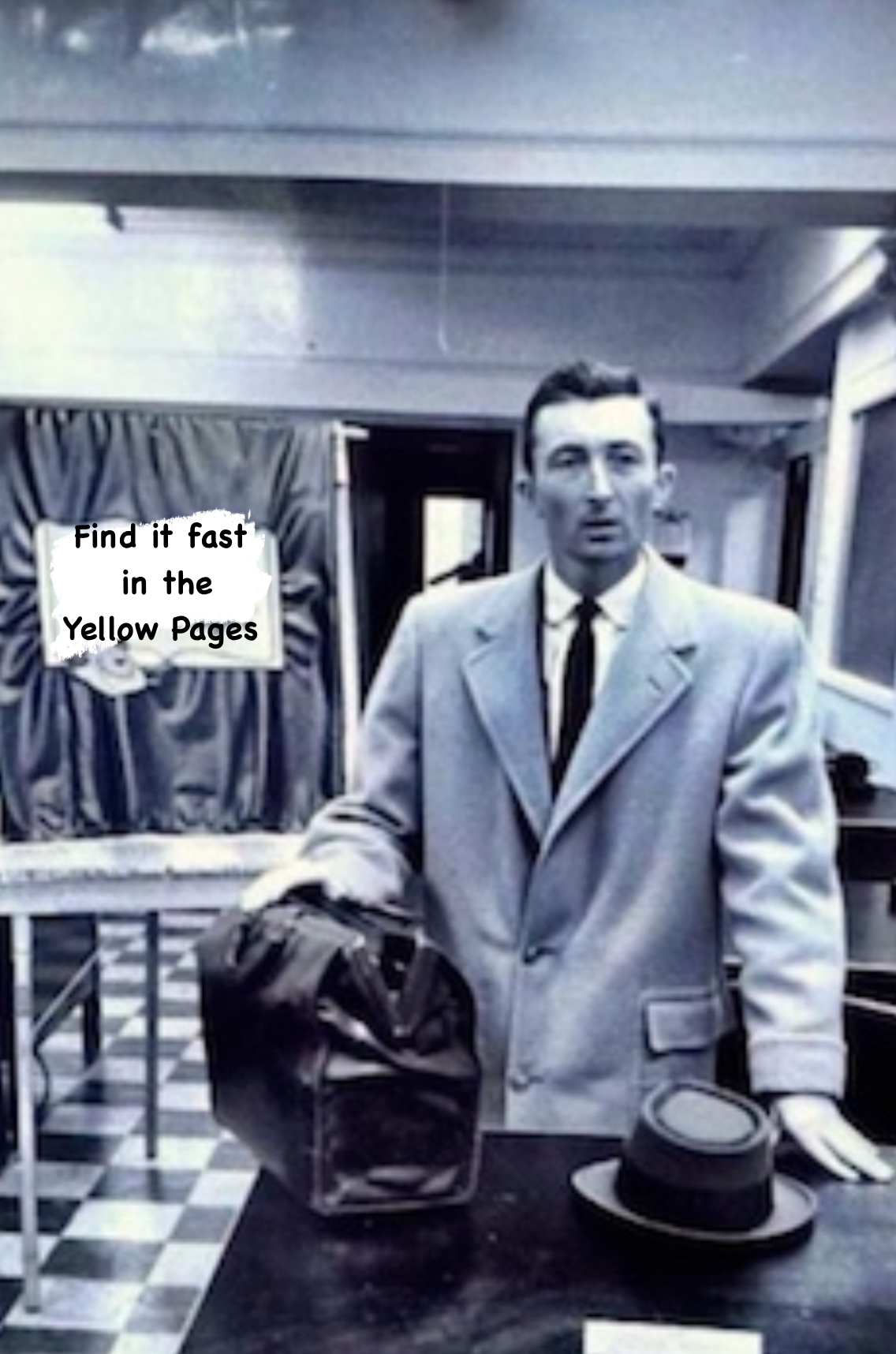
My dad carried the bag, was a snappy dresser and the consummate salesman.