To Be Candid: The Art of Truth in Recruiting
When candidates know you’re not going to violate their trust—that you’re not out to sell them but to understand them—they open up. That’s when the real interview starts. It’s not about interrogation; it’s about listening with curiosity and intention.
After 41 years of interviewing people, I’ve developed a finely tuned ear—not just for what candidates say, but for how they say it. One phrase that always catches my attention is: “To be honest with you…”
When I hear that, my internal response—often said with a grin—is, “So, have you not been honest up to now?”
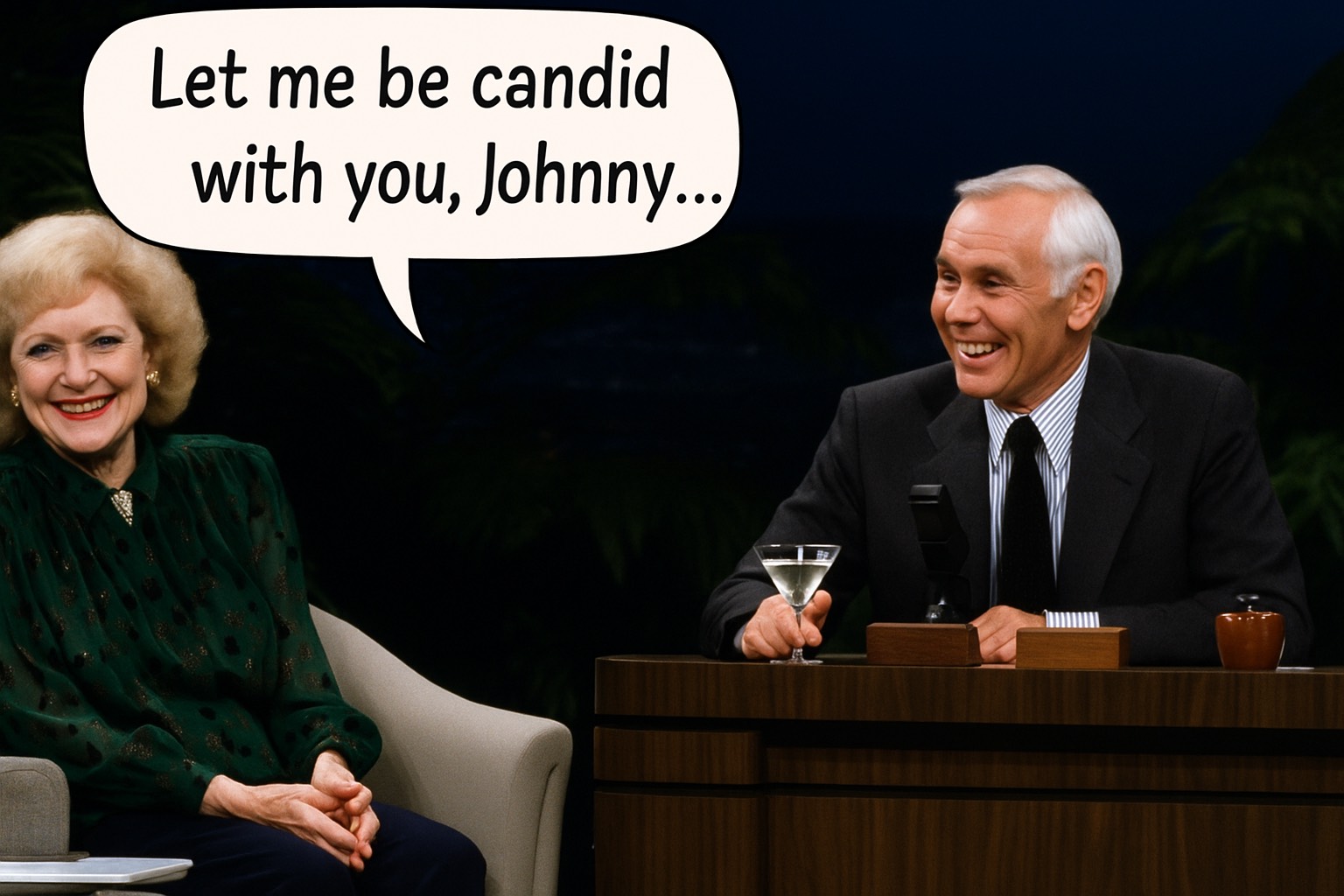
Over the years, I’ve used that moment to coach candidates. Instead of saying “to be honest,” I encourage them to say, “Let me be candid with you.” It’s more direct, less loaded, and doesn’t carry the unintended implication that dishonesty might be the norm.
Recruiting, at its best, is a business of trust. There’s a kind of “Code of the West” among great recruiters—where a handshake still means something, and confidentiality is sacred. You can’t build a reputation if people don’t believe their words are safe with you.
Great recruiters are great listeners. They know that trust isn’t built by talking, but by truly hearing someone’s story without interruption, judgment, or the need to “one-up” them. When a candidate shares a personal or professional experience—especially one that’s vulnerable or hard-won—the worst thing you can do is respond with a story of your own. That moment isn’t about you. I’ve always believed the best teaching tool in this business is the reminder: “You’ve got one mouth and two ears—use them in proportion.” The best interviews happen when you let silence do some of the work and allow the candidate to fill in the gaps. Listening is where the magic is.
And let’s not forget—when it’s story time, a good embellishment is often just the seasoning that gives a tale its flavor. The kind of story that sticks, that gets retold, that has a life of its own. This typically happens after the formal interview ends—during the meeting after the meeting—when you’re no longer just a recruiter and they’re no longer just a candidate. You’re more than a friend, less than a stranger. That space—built on trust, a laugh, and maybe a slightly exaggerated anecdote—is where real relationships are born. And it’s that power of relationships that’s held me in good stead since my days as a paperboy right up through today.
Yes, people fib. They exaggerate roles, downplay gaps, and sometimes float self-flattering stories. But part of the job is knowing how to spot the spin—and more importantly—how to steer the conversation toward truth without making someone feel exposed.
There’s an art to asking questions, just as there’s a science to pattern recognition. Over time, you realize that honesty isn’t just about what’s said—it’s about what’s earned. When people feel safe, they get real. And in a world of “to be honest,” finding the candid is gold.
Author’s Note:
A recent Buffalo News article by Bob O’Connor, titled “At least people are honest about how often they lie”, sparked this reflection. Bob shares personal stories and historical truths about the culture of lying, with humor and insight that’s well worth the read. His article reminded me of a phrase a former friend once shared with me: “If his lips are moving, he’s lying.” That line stuck. Over time, I’ve adapted it into my own go-to word—candid—because it feels fresh and sincere. And in recruiting, as in life, being candid builds the kind of trust that keeps relationships thriving.
 josephkreuz.com