The Magic of Being Prepared

On the anniversary of what many call the greatest play in NFL history, Franco Harris found himself in the right spot at the right time. Luck? Not at all. That surreal, serendipitous moment—the Immaculate Reception—wasn’t just chance; it was the culmination of preparation meeting opportunity.

Franco’s iconic play felt almost mythical, like a white stallion galloping into the sunset to secure victory and end a long drought, heralding the Steelers’ era of Super Bowl dominance. Yet, the magic of the moment was rooted in something far less mysterious: Franco was always prepared.

A friend of mine often says, “Proper preparation prevents piss-poor performance.” That saying rings true here. Franco’s dedication to his craft ensured he was ready when the unexpected happened. His sudden passing, just before the 50th anniversary of the play, was a poignant reminder of the enduring impact of that moment and how it forever changed the course of sports history.

I was in seventh grade when I watched the Immaculate Reception with my dad, a memory I hold close. The thrill of that instant—of something unexpected turning into a game-changing event—stuck with me. Moments like these remind me of the common thread among my friends who consistently come prepared: they always seem to be in the right spot to seize opportunities. Whenever one of my friends comes through in a golf tournament, what appears to be a serendipitous moment, I always chirp, “He’s lucky at cards too!”

As chance would have it, I too benefited from being overly prepared in a professional context. My preparation helped me seize an unexpected opportunity, leaving my competitor at the altar. The feeling of seeing the moment unfold, knowing you’re ready when others aren’t, is one of the greatest rewards in life. It’s not about blind luck—it’s about setting yourself up to be in the right place at the right time.

Carpe Diem: Seize the Day

I often think about Franco’s iconic play and how it mirrors life’s serendipitous moments. It’s not just about luck. It’s about being ready to act, having the skills, knowledge, and mindset to take advantage of a fleeting opportunity. The best moments, in business and in life, are often a blend of preparedness, timing, and the ability to see things others might miss. Franco might have been in the right place at the right time, but his preparation allowed him to catch a pass not many could have, and to outrun the defense—all because he was ready.

I love sharing and reliving these stories with my kids, just as I did with my dad. It’s a reminder that serendipity isn’t just about chance; it’s about being ready to seize the day when the moment comes.

Just like Franco’s preparation, which enabled him to react in a split second to the unexpected bounce of a football, my own career has been shaped by the same principle: be ready, and you’ll be in the right spot when the opportunity knocks. And sometimes, just sometimes, the opportunity is even better than you imagined.

I’m sure Franco didn’t imagine the ball would bounce directly into his hands. But he was ready. He had spent years perfecting his craft, working hard even when it wasn’t glamorous. And when the moment came, he didn’t hesitate. That’s the magic of serendipity—it’s the meeting of preparation and opportunity. I’m sure Franco didn’t imagine the ball would bounce directly into his hands. But he was ready. He had spent years perfecting his craft, working hard even when it wasn’t glamorous. And when the moment came, he didn’t hesitate. That’s the magic of serendipity—it’s the meeting of preparation and opportunity. It’s like thinking all the chicken wings are gone, and then—bam!—there’s one last drumstick sitting at the bottom of the platter.

You weren’t expecting it, but there it is, just waiting for you to claim it. The moment you’ve been waiting for, when you thought it was over. It’s the perfect example of serendipity: the meeting of preparation and opportunity. When you’re ready for it, life tosses you that last wing when you least expect it, and it feels pretty sweet—just like snagging that final, coveted wing at the table. Immaculate Reception

The Christmas calendar

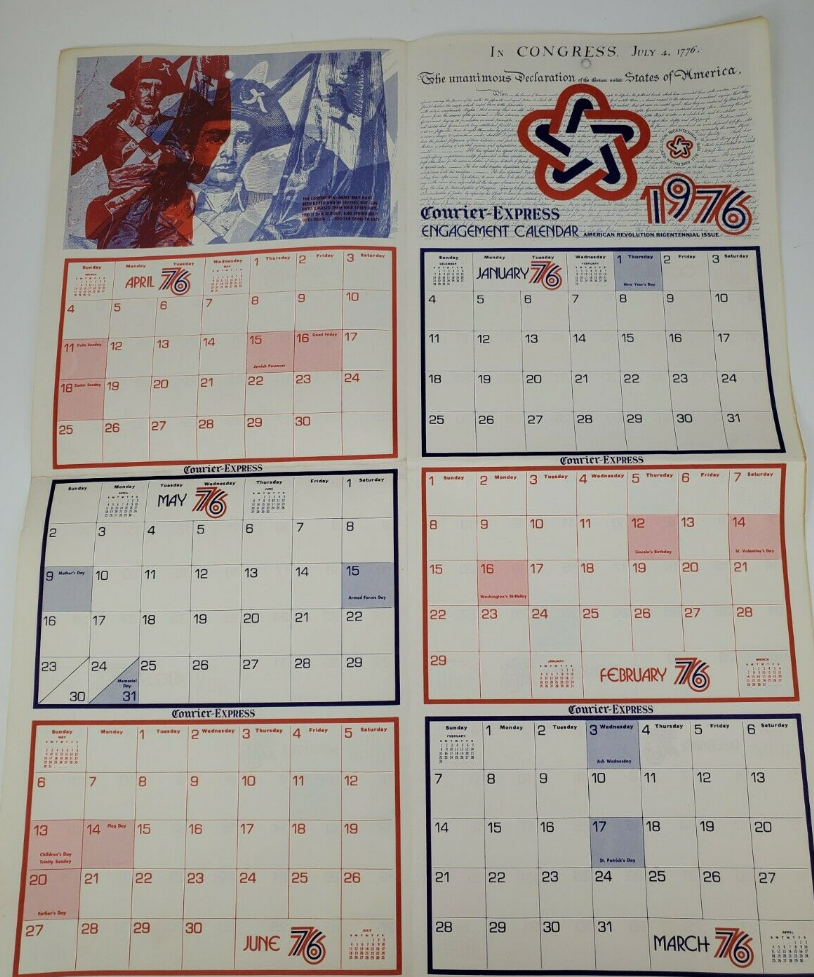
Today was the day. The Monday before Christmas. I delivered the Courier Express and my friend Rich delivered the Buffalo News. The Monday before Christmas we’d venture out to personally deliver the calendar for what we deemed the year end holiday bonus.

The Christmas calendar. We received cash tips, other gifts from some like holiday cakes and cookies, nothing from some, and the noticeable generosity of tips from others. The reward you’d get for being a good business person throughout the year. Rich and I delivered from 1973 to 1977 and the stories and memories and tips are stories that last forever.

Atlas Shrugged, then and now

The “Atlas Shrugged” story is this: a close friend Jean Covelli who had been consistently hiring employees through our services was at first a business partner. We collaboratively built a dynamic team for her thriving enterprise, and our shared commitment to an early morning work ethic brought us even closer. Meeting in the early hours at my office to conduct interviews, we solidified a bond that would endure a lifetime. She loved the vibrant atmosphere of our workplace and extended a lunch invitation to meet her boss Mindy Rich, a highly influential figure in our community, and share my own journey. How could I possibly decline such an opportunity?

During the luncheon, we conversed on many topics, and I proudly affirmed my reading habit. To my surprise, she recommended I delve into Atlas Shrugged. It took me just fifty pages to become engrossed, and I still treasure that original copy, now filled with notes and annotations in the margins. Little did I know then the profound impact this book would have on my life.

What struck me most about Atlas Shrugged—and, for that matter, all great books—was their uncanny ability to arrive at exactly the right moment. In 1998, Rand’s philosophy entered my life when I was building a business and searching for my own identity as a leader. I can’t remember another book that has had such a lasting impact on my worldview—my own personal weltanschauung. Her fictional heroes were unapologetically competent, creative, and driven. Their vitality inspired me. Over the years, I have found myself returning to Atlas Shrugged whenever the world seems to be asking the very questions Rand explored decades earlier, from Enron and the financial crisis to the collapse of FTX.

By the time Atlas Shrugged found its way onto my bookshelf in 1998, I had already discovered that reading had become one of the most important investments I could make in myself. Building a business challenged me to think differently, and books became mentors. History, philosophy, business, and biography broadened my perspective in ways I never imagined as a student. Rand entered my life at exactly the right time—when I was building not only a company, but my own philosophy of leadership and purpose.

A gift I’ll always treasure.
Presented by Tal Tsfany, President and CEO of the Ayn Rand Institute, in recognition of my journey with Atlas Shrugged and the enduring influence of Ayn Rand’s ideas on my life and career. His personal letter appears at the conclusion of this essay.

I’ve developed a profound appreciation for the opportunities we have in this country. Ayn Rand’s perspective, rooted in her experience in a communist society, highlights the stark contrast between those in power enjoying prosperity while the masses endure scarcity and hardship. Similarly, my mother-in-law’s life in post-WWII Germany, marked by deprivation, reflects the resilience and determination to forge a new life in America. Both experiences resonate deeply with me, emphasizing that in a land of opportunity and freedom, the pursuit of one’s dreams can indeed become a reality when they take that chance.

In 2020, I felt compelled to revisit the works of Ayn Rand. As I compared my Kindle notes from that recent reading to the annotations I had made back in 1998, I noticed a distinct shift in my perspective. During my initial encounter with her books in 1998, I was on a personal quest for self-identity, and her philosophy of “objectivism” provided valuable guidance and clarity during that period of my life. Since then, I have delved into all of her books, continuing to find profound insights that resonate with my evolving understanding of the world. As time has passed and my needs have evolved, I’ve come to appreciate the enduring wisdom of Ayn Rand’s writings. I find solace in often revisiting her work, as it serves as a powerful reminder that the most foundational and undeniable certainty lies within the self. The self is the wellspring from which all achievements and thoughts emanate. Rand’s philosophy places a premium on action over contemplation and the potential over the existing reality, and I’ve come to value this perspective deeply.

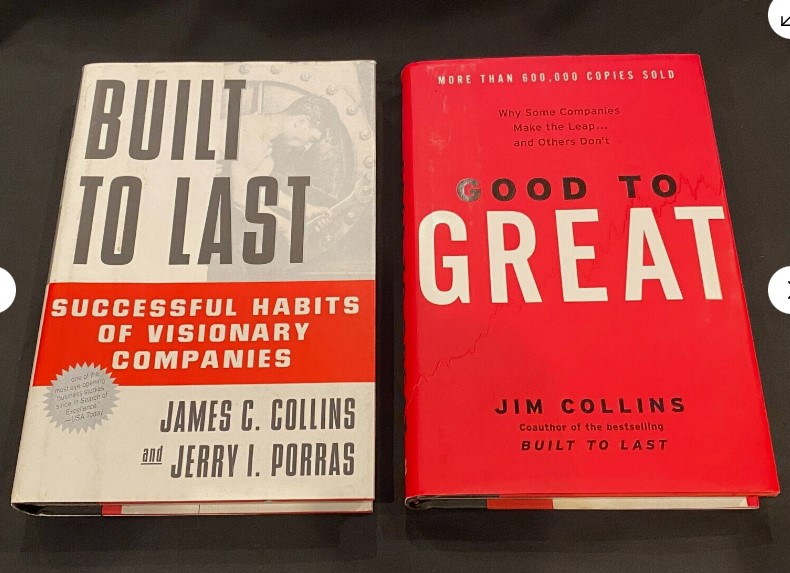
Now into my fifth decade of experience working closely with CEOs from diverse backgrounds, including second-generation business leaders and ambitious startup entrepreneurs, I’ve gained a profound understanding of their dedication to their companies and the individuals who depend on them for employment. It’s evident that for the majority of my clients, this responsibility weighs heavily on their shoulders. While it might appear challenging at times, it’s simply the way the world operates, and I’ve internalized a valuable lesson from one of my mentors: “people born round don’t die square.” This wisdom urges us to confront the realities we face and work diligently to make things right. Drawing from the insights of “Built to Last” and “Good to Great” by Collins, I’ve learned that successful companies are built on enduring principles and sustained excellence. In my own capacity as a business owner, I take great pride in the way I managed my companies and the relationships with my employees. They are not just colleagues; they are treated like family. However, I firmly believe in compensating individuals based on their respective contributions to our collective success. It’s a principle I uphold rigorously because not everyone brings the same level of value to the team. While I am committed to providing opportunities for personal and professional growth, it’s essential to acknowledge that there may be individuals who do not actively contribute. In such cases, my responsibility as an employer is to make informed decisions and ensure that resources are allocated to those who actively enhance our collective efforts rather than relying on the hard-earned contributions of others.

A conundrum. Hire from within or hire the best candidate?

In my tenure, I’ve also supported candidates who were undervalued and treated poorly, motivating them to seek opportunities elsewhere where they can demonstrate their true worth and be appropriately compensated. This process hinges on their genuine contributions and willingness to put in the effort, illustrating the symbiotic relationship between job creators and those striving for improvement.

Recently, I chose to retire from the company we built from scratch with many great people. Much like Rearden’s ultimate decision to leave behind his steel empire, my choice to retire came not with regret, but with a renewed sense of purpose and liberation. Retiring from something I spent almost half of my life building isn’t about giving up—it’s about recognizing when it’s time to focus on what comes next. I’m more invigorated than ever with renewed energy and excitement for the future.

And let’s be frank, my perspective on characters like Dagny Taggart has definitely evolved. In my younger years, I might have seen her as a bit over-the-top with her unrelenting drive, but now I realize she’s a role model. I’ve got four strong-willed daughters, a wife, a daughter-in-law, and a twin sister who could absolutely hold their own with Dagny. I’m pretty sure they’d all take the helm of a railroad and still manage to run a household before breakfast. Looking back, I also think of my mother, Eloise, and my mother-in-law, Gisela, women whose quiet resilience, strength, and determination shaped our family in ways I probably didn’t appreciate enough when I was younger. You could say my views on strong personalities have been, well… adjusted over the years.