Patience and Pause: The Power of Timing in Life and Business
One afternoon, I was listening to John Tesh on the radio when a mention of an MIT study about getting a job offer caught my attention. It made me reflect on something that’s been on my mind for quite some time—the delicate art of patience and pause. These two simple concepts—patience in our approach to material possessions, and the strategic pause in our words and actions—are powerful tools, though we often forget their impact in the rush of today’s world.
It wasn’t long ago that I found myself refinishing our kitchen table, eager to complete the project. My instinct was to hurry the process, to “slap on the stain” and move forward. But something within me told me to stop and wait. I called a friend—one who happened to be a master carpenter and furniture restoration expert—and asked for advice. His response was immediate: “Don’t do anything until I get there.” Three days, one additional trip to the hardware store, and the right materials later, the table transformed into a masterpiece. The value of patience—and expert advice—became abundantly clear. Had I rushed through the process, I would’ve been left with something far less than what it had the potential to become. My wife, for one, would’ve had a lot to say had I messed it up. I certainly wouldn’t want to find myself in the doghouse over a stained table! This experience taught me that taking time to do something right is always worth the effort.
In today’s fast-paced world, where speed often takes precedence, it’s easy to overlook the power of a pause. I learned this lesson most vividly in the context of public speaking, something I once dreaded. A few years back, a friend shared a piece of advice that stuck with me: “Just pause when you need to. The words will come. We’re not going anywhere.” It seemed so simple, yet profound. I later applied this advice when I delivered my father’s eulogy, a moment in which emotions and words collided in a way I hadn’t anticipated. My friend’s reminder—“Pause. We can wait. The words will come”—allowed me to take a breath, to collect myself, and to speak with intention. Pausing wasn’t about stalling or losing momentum; it was about giving myself the space to find the right words, to breathe through the moment, and to speak meaningfully. And let’s be honest: it was far easier to pause than to struggle against the lump in my throat. Because, sometimes, words—no matter how well-thought-out—can’t outrun the emotions that come with them.
There was a time, back in 1993, when I learned the value of patience the hard way. I was bound by a non-compete agreement, and for a full year, I clicked off the days on the calendar, one at a time. I kept busy, of course, but that year taught me the true value of persistence and laying the groundwork for the future. In business, we often equate success with speed: the faster we act, the more we accomplish. But sometimes, good things take time. The lesson I learned during that year of waiting has stayed with me to this day, shaping my approach to both my career and personal life.
On a related note, when it comes to texting, we could all stand to be a bit more patient. It’s simple advice—put the phone in the glovebox. Nothing is so urgent that it can’t wait. That brief pause, that moment of restraint, could save your life or someone else’s. Imagine hitting the brakes instead of texting while driving. It’s a small but important pause that could make the difference between sending a message or sending a thank-you note to the paramedics.
But of course, patience and pause aren’t always the right approach. There are times when action is required. Take golf, for example. In a game where time often stretches unnecessarily, it’s crucial to avoid overthinking. The putt, the swing, the shot—they must come quickly, with confidence. If you linger too long, you risk missing the mark. Life, much like golf, demands that we act decisively and without hesitation. If you spend too much time overthinking your putt, you might miss out on the true enjoyment—the camaraderie, the conversation at the 19th hole. That’s where the real prize lies.
This brings me back to the MIT study John Tesh referenced—specifically, how to handle job negotiations. When facing a job offer, patience and pause can often make all the difference. Imagine you’re sitting face-to-face with a hiring manager, awaiting the offer. You’re eager to take the job, but the offer may not quite meet your expectations. This is where the pause comes in. Look the person in the eye, let the silence hang for a moment. Research has shown that just a brief ten-second pause—just enough time for the other person to reconsider—can often result in a higher offer. It’s a simple, almost imperceptible moment, but its impact can be profound. That moment of silence is powerful, allowing both parties the time to think before rushing into a response. Sometimes, all it takes is the right timing to shift the course of the conversation.
In my experience, whether I’m refinishing a table, delivering a eulogy, or negotiating a deal, I’ve come to understand that patience and pause are more than just practical tools—they’re philosophies that can transform outcomes. Waiting, taking the time to reflect, and allowing space for thoughtful action are principles that can lead to better results, both in business and life.
But timing is everything. There’s also wisdom in knowing when to speed things up, to keep things moving. Whether it’s in golf, career decisions, or personal interactions, knowing when to take action and when to pause is the key. It’s about striking the balance between waiting for the right moment and seizing it when it comes.
So, as we continue our work, whether it’s sealing a business deal or making a life change, let’s remember that good things take time—but so do great decisions. Knowing when to pause, when to act, and when to let the moment come to you is how we make our most thoughtful moves. Because, at the end of the day, it’s not just about what we do, but when we do it.
This is about a family discussion during a crisis. During our usual quarantined family dinner in March 2020, my daughter Elise posed a question that lingered in my mind: “ Dad. How did the 9/11 crisis compare to the ongoing COVID-19 pandemic? Elise was five years old on 9/11. This inquiry coincided with my final touches on an article I had been writing. It was a moment of introspection, contemplating the stark differences and similarities between two significant periods of upheaval. Black Swan events.
Pre COVID, in late December 2019, I read an article about Paul Volcker written by Froma Harrop that caught my attention after Volcker’s passing. The article and Volcker’s influence resonated with me deeply, bringing to mind my years studying business at the University of Buffalo while he was at the helm. As a Baby Boomer—one of the so-called “Yuppies” of the time—I’ve witnessed firsthand how Volcker’s policies shaped not only my generation but the economic foundation of the world we navigate today.
Froma’s article invited a closer look at the economic landscapes across five presidencies, drawing out lessons from Volcker’s era. Amid editing my thoughts, COVID-19 disrupted the world, turning these reflections from historical analysis into contemporary critique. This pandemic era highlights stark contrasts and similarities to the crises that Volcker helped steer us through, underscoring the resilience required from both leaders and institutions in uncertain times.
Volcker’s legacy, as Harrop aptly noted, isn’t just about the numbers—it’s about enduring values and the hard choices that shaped our economic environment. Reflecting on his impact in these challenging times reminds us of the critical role that steadfast, principled leadership plays in the face of adversity. Volcker’s focus on the “tough medicine” that shaped not just policies but the values that influenced a generation, including my own formative years in business school. Froma’s Volcker Dec 2019
In conversations with friends, spanning from Volcker’s rise in 1979 to the present day, we’ve exchanged perspectives on the unfolding narrative of our lives within the context of historical events. Volcker’s policies directly impacted me as a young professional navigating high interest rates and inflation. Cindy and I were eating a lot of mac and cheese and goulash those days. The discussion naturally gravitates towards analyzing the actions of presidents, the Federal Reserve, Congress, and the Senate, particularly in times of crisis. With the emergence of various relief programs like the Payroll Protection Plan (PPP) and Economic Injury Disaster Loans (EIDL), we navigate the complexities of economic stabilization efforts, drawing insights from our collective experiences and historical precedent
The world as we know it has drastically changed in the past few years. The COVID-19 pandemic, a rare and unexpected black swan event, has brought about unprecedented challenges and has left an indelible mark on society. While trends can provide useful insights and information about the future, the pandemic has shown us the importance of recognizing the potential for black swan events and being prepared for the unexpected.
In this article, I reflect on the past and learn from it, including the legacy of Paul Volcker, a towering figure in economics and finance. We will also pay tribute to the brave men and women who have risked their lives to keep us safe during these uncertain times. As we continue to grapple with the effects of the pandemic, it’s essential to remember those who have been affected and to acknowledge the sacrifices of those on the front lines. So join me as we delve into the past and present, and strive to find hope for the future amidst the chaos of this black swan event.
I’ll spare any political observations. It’s not my place nor necessary to comment on how leaders are handling things. This post includes my observations, thoughts and research on past and current statistics such as unemployment, the stock market, the GDP, and inflation. Now we watch the new stat, the death and hospitalization curves and the “when we’ll return to normalcy.” ZOOM meetings, masks and gloves, and social distancing have been the new norm.
2020-2022 COVID-19, Economic Turmoil, New Stimulus Programs and Saudi-Russia Oil Fight
Global widespread virus, layoffs and shutdowns have been the new norm. Donald Trump was our president, Jerome Powell remains Fed Chair and our Treasury Secretary Steven Mnuchin are all-navigating a plethora of government programs, both at the federal and state level. Stock gains in Trump’s reign have been totally wiped out just like the decrease in NASDAQ in 2002. While the immediate effects of our current health and economic situations are impacting our daily lives, we see an even larger impact happening from the enormous stimulus and bailout packages that are going through Federal and State legislatures. The CARES Act, EIDL, and the Main Street lending programs are now enacted and many business owners have received funding, while others sit and wait on phase two of additional government approved funds.
I expect that certain industries anticipate new solutions that will become even more compelling as people may need to change work and daily life patterns. With the need for governments to spend on COVID-19, the tax dollars for newer disruptive projects are going to be questioned even more so.
For 2019, unemployment was 3.5%, the GDP was 2.3% and inflation was 2.3%. The unemployment rate continues to skyrocket and set daily records and the rate is expected to reach or even exceed 10%.
Before the pandemic hit, as of February 2020, The BLS household surveyhttps://www.bls.gov/cps/ showed that the US unemployment rate fell 0.1 percentage points in February 2020 to 3.5%. The unemployment rate peaked in October 2009 at 10.0% and is now 6.5 percentage points lower. From a post peak low of 3.5% in September 2019, the unemployment rate has now risen by exponential historical highs. And here is an interesting statistic. As of April 15, 2020 https://public.flourish.studio/visualisation/1712761/
1970’s to 1987: Volcker’s Tenure and the Fight Against Inflation Including The Vietnam War and the Buffalo Blizzard of 77
I was quite young during the Vietnam era, and while I was aware of the conflict, I didn’t experience it directly. The only reason I mention the blizzard of ’77 is that everything was shut down for a week, including a driving ban, which was a significant disruption.
During Paul Volcker’s tenure as Federal Reserve Chairman (1979-1987), a period that spanned the presidencies of Jimmy Carter and Ronald Reagan, I graduated from the University of Buffalo in 1981. The economic climate was incredibly challenging. Mortgage interest rates were soaring to 16-18%, which made buying a home seem nearly impossible. Cindy and I seriously considered moving to Texas, where the economy was booming, but ultimately decided to stay in Buffalo. Those years were a financial tightrope walk for us. We bought our first house in 1983 for $33,000, a significant stretch given the 13.5% interest rate and 7.5% unemployment rate. To make ends meet, Cindy took on an evening and weekend job while we started our family, welcoming our first child in 1982. That period instilled in us the importance of financial prudence, the value of homeownership as an investment, and the ability to adapt to difficult economic times.
The Reagan Years, Deregulation and Economic Cycles.
The 1990s were marked by a significant economic downturn, primarily driven by the collapse of the commercial real estate market. Under Presidents George H.W. Bush and Bill Clinton, with Alan Greenspan serving as Federal Reserve Chair, the economy faced some of its most challenging periods. The real estate crisis was exacerbated by the rise of Savings & Loan (S&L) associations, many of which were run by inexperienced lenders. These poor practices led to widespread defaults, and institutions like Empire of America and Goldome, once pillars in the market, eventually went bankrupt. Unemployment soared, layoffs became widespread, and the nation faced economic uncertainty.
In response, the Financial Institutions Recovery, Reform, and Enhancement Act (FIRREA) of 1989 was passed. This pivotal legislation aimed to stabilize the economy by addressing the fallout from the S&L crisis. One of its key provisions was the creation of the Resolution Trust Corporation (RTC), which managed and sold off bad commercial mortgages from failed institutions. This marked the beginning of a gradual economic recovery.
Amid these challenges, in January of 1990, I was promoted to my first management role. It was a defining moment in my career. During this time, our staffing division saw substantial growth as we tapped into a large pool of workers who had been laid off due to the collapse of S&L-backed institutions. The demand for temporary staffing increased as companies scrambled to maintain lean operations during these tough economic times. It was a period of uncertainty, but also one of tremendous opportunity.
By 1991, the unemployment rate had climbed to 7.4%, while GDP was barely positive at -0.01%. Inflation for December of that year stood at 3.1%. The economic challenges were paired with national tensions, as the Gulf War unfolded. In sports, the Buffalo Bills made a thrilling run to the Super Bowl, only to face heartbreak with Scott Norwood’s infamous “wide right” miss. Yet, despite the tension, the nation found a moment of unity—especially with Whitney Houston’s iconic performance of the national anthem at the Super Bowl. You can still watch the unforgettable performance here:Whitney Houston Super Bowl 1991.
Despite these challenges, the groundwork for economic recovery was laid, and the economy began to rebound. By the mid-90s, the economy was in full recovery, and with it, my career took off. This period marked a boom for the staffing industry, which flourished alongside the broader economic revival. The rise of technology in the latter part of the decade further transformed the landscape. Sir Timothy Berners-Lee and his team of scientists introduced the World Wide Web to the globe, setting the stage for an unprecedented era of communication and business. This was a period of remarkable progress, both professionally and personally, as I navigated the changing business environment while capitalizing on the newfound possibilities of the digital age.
9/11 ~ Tuesday, September 11, 2001
It was a day that would forever change the course of history. George W. Bush was president, and Alan Greenspan was still the Federal Reserve Chair. The morning started out like any other, but as the news began to unfold, a sense of disbelief set in. I remember watching the television when the first plane struck the World Trade Center. At that moment, no one fully understood the magnitude of what had just happened. The world was still trying to make sense of it when, just minutes later, the second plane hit. It was then that it became painfully clear: we were under attack. The reality of war had arrived, and nothing would be the same again.
I was dropping Elise off at nursery school when the news broke about the second plane. The streets felt different, the air was thick with tension. By the time I returned home, the scale of the tragedy was becoming evident. Cindy and I sat together in front of the TV, watching the events unfold—terrorism on U.S. soil, planes crashing into iconic landmarks, and, later in the day, the plane hitting the Pentagon. That moment will forever remain etched in our minds, a shared experience of shock and grief that we, as a nation, endured together.
At the time, the economic numbers painted a picture of a stable economy—mortgage rates were at 6.82%, unemployment at 4.9%, GDP was holding steady at 1.0%, and inflation was relatively low at 1.6%. But those numbers became a distant concern in the wake of the tragedy. It was a moment when everything else—the markets, the economy, the day-to-day routines—seemed insignificant in comparison to the human cost of the attacks.
After the initial shock and sorrow, the nation began to rally. In a symbolic gesture, President George W. Bush threw out the first pitch at Yankee Stadium on October 30, 2001. The crowd’s roar was an unmistakable expression of defiance, of a country refusing to be cowed. You can still watch the emotional moment here:George W. Bush Throws First Pitch, October 30, 2001.
In the aftermath of that day, we went to war, and yet, we also returned to work. The economy, despite the devastation, had to keep moving. People still had to work, still had to provide for their families, and the workforce had to adapt to an uncertain new reality. It was a time that showed the resilience of the American spirit. We were shaken to our core, but we carried on, and life, in a sense, returned to normal. But it was a new normal—one that had been irrevocably altered by the events of September 11th.
The 2001 dot-com bubble, or the dot-com boom ~ George W Bush was president Alan Greenspan was the Fed Chair. I was engaged in our staffing companies during this period where excessive speculation in Internet related companies sparked a period of massive growth. From 1995 to 2000, the NASDAQ rose 400% only to fall 78% from its peak by October 2002 washing out all its gain by 2002. Mortgage rates were 6.0%, the GDP was 1.7%, unemployment was 5.7%, and inflation was 2.4%.https://www.multpl.com/unemployment/table/by-month
The Great Recession and Echoes of Volcker’s Values 2007-2008 Subprime Mortgage Crisis
The financial turmoil of the Great Recession began in earnest with the subprime mortgage crisis, which deeply impacted the global economy between 2007 and 2010. At the time, the United States was under the leadership of three different presidents: George W. Bush (2001-2009), Barack Obama (2009-2017), and Donald Trump (2017-present). Similarly, three Federal Reserve Chairs—Ben Bernanke (2006-2014), Janet Yellen (2014-2018), and Jerome Powell (2018-present)—oversaw a tumultuous period marked by the collapse of the housing market and the ensuing financial instability.
Mortgage rates peaked at 5.4%, as many homebuyers had taken out loans they could not afford, relying on adjustable-rate mortgages and risky financial products. At the same time, unemployment rates skyrocketed to 10%, and GDP shrank by -0.01%. Inflation remained nearly stagnant at just 0.1%, but the larger economy was in shambles. Many eager job seekers simply gave up searching, their dreams of upward mobility dashed as hiring freezes took hold in companies across the nation.
In the housing market, home prices plummeted following the collapse of the housing bubble. The result was a domino effect: mortgage delinquencies soared, foreclosures hit record levels, and housing prices lost much of their value. The fallout from this triggered a chain reaction, leading to widespread job losses, a drop in household spending, and severe economic uncertainty. For many, it felt as though the American Dream was slipping through their fingers.
As for my business, the subprime mortgage crisis took its toll, but we weathered the storm. While permanent placements were in short supply, our temporary staffing division proved to be more resilient. In these trying times, businesses were more likely to rely on temporary labor to stay flexible while navigating the uncertain economic landscape. Still, it was a rough period. Every placement, every contract felt like a small victory amidst the chaos of the larger economy.
In the spring of 2009, amidst the financial turbulence, my colleague Tom Thomson and I embarked on a two-week trip to Hong Kong and China. Our goal was to explore the possibility of establishing an offshore IT programming entity, an idea born out of the need to adapt and innovate in the face of economic adversity. The trip was eye-opening, and though the world was reeling from the mortgage crisis, we sought new opportunities and alternative solutions for business growth.
In retrospect, the subprime crisis was a pivotal moment in the history of modern finance. It tested the very foundations of the American economy, exposing vulnerabilities that many had long ignored. But through it all, I was reminded of the values Paul Volcker instilled during his tenure as Fed Chair—values of discipline, responsibility, and accountability. Volcker’s legacy of focusing on long-term stability over short-term gain provided a stark contrast to the risky behavior that had led to the housing bubble.
We all somehow survived the subprime dilemma, though not without scars. But as the dust settled, it became clear that the lessons learned from this crisis—about risk, responsibility, and resilience—would shape the course of my business, and the broader economy, for years to come.
The Great Depression and Hard-Earned Lessons (1929 – 1939)
In September of 1929, the stock market crash that marked the beginning of the Great Depression rippled through the world. For my dad, this era of financial devastation arrived just as he turned one year old, while my mom came two years later. The Depression persisted through the late 1930s, offering my mother a unique perspective on hardship, informed by her parents’ struggles. Throughout this time, Herbert Hoover and Franklin D. Roosevelt served as the Presidents who guided the nation through its darkest days.
My grandparents, who were crop farmers, were hit particularly hard by the economic collapse, especially as crop prices plummeted by 60%. Yet, they remained remarkably resilient. Though rural communities were especially vulnerable, my grandparents were self-sufficient, raising egg-laying chickens, dairy cattle, hogs, and maintaining a highly efficient greenhouse. With only the barest of essentials—clothing, sugar, and gas for their equipment—they managed to survive. In their eyes, hardship became a part of life, but it was a life lived on their own terms, on the land.
I’ve always admired my mother’s reflections on those times. She once shared with me that, while many farmers in their area lost their farms, her family was fortunate to have held on. In a conversation, I asked her how everything was, to which she responded: “Not so bad, as everyone was in the same boat… no one had any money.” I couldn’t help but think that, in many ways, her words reflect the economic challenges we’ve faced in more recent times. She even pointed out, “The loss of lives is a tragedy here.” I’ll never forget that moment—her words carry the weight of history and have stayed with me.
During the Great Depression, the global economy shrank dramatically, with worldwide GDP falling by an estimated 15%. By comparison, the 2008–2009 recession, though severe, saw a much smaller contraction of around 1%. The negative effects of the Depression lingered well into the start of World War II. International trade plummeted by 50%, and unemployment peaked at a staggering 23%. The scale of the downturn was immense, leaving scars that would last for generations.
A Hundred + Years Ago (1918 – 1920) ~ The Spanish Flu and a World in Recovery
The 1918 flu pandemic, also known as the Spanish Flu, was one of the deadliest outbreaks in human history. Spanning from January 1918 to December 1920, it infected an estimated 500 million people—roughly a quarter of the global population at the time. The death toll remains uncertain, with estimates ranging from 17 million to as high as 100 million. Regardless of the exact number, the pandemic’s impact was devastating, and it left an indelible mark on the world.
At the same time, World War I came to a close on November 11, 1918, marking the end of one of the deadliest conflicts in history. The war had wreaked havoc on economies, societies, and families worldwide, but the flu pandemic that followed overshadowed it in terms of lives lost. President Woodrow Wilson, still reeling from the effects of the war, was now confronted with a global health crisis. Spain’s King Alfonso XIII famously contracted the flu, which ultimately led to the virus being named after the country, despite its origin likely being in the United States.
In the midst of this, President Wilson fell ill with the Spanish Flu in April 1919, just as he was deeply involved in post-war negotiations with French Prime Minister Georges Clemenceau and British Prime Minister David Lloyd George. Unfortunately, Wilson’s negotiating abilities were severely impaired as he lay stricken and quarantined in a hotel room. Despite his recovery from the flu, Wilson was later debilitated by a stroke, which further diminished his political strength. As a result, many historians argue that the treaty signed on June 28, 1919, was influenced by Wilson’s weakened state—his desire for a more favorable peace agreement being overshadowed by the French and British demands.
The effects of the Spanish Flu, alongside the end of World War I, left a world grappling with loss, uncertainty, and a pressing need for recovery. The historical events of this time remind us of how pandemics and global crises can shape not only the lives of individuals but also the very direction of world history. The historical lessons from that era have relevance to our current times, particularly in terms of public health and economic recovery.
Punctuating the Past: Crises that Shaped Our World
As I reflect on the challenges that have shaped both my life and my business, it becomes increasingly clear that every generation faces its own crisis. From the economic upheavals of the 19th century to the global disruptions of the 20th and 21st centuries, history is full of lessons learned through hardship. Whether it’s financial turmoil, global conflict, or pandemics, each of these events serves as a reminder of the resilience required to survive—and ultimately, to thrive—through difficult times.
Economic and Financial Crises: A Long History of Instability
The Panic of 1837 in the United States marked a devastating economic depression, mirroring the kind of instability we would later see in the 20th and 21st centuries. It revealed the fragility of early American economic systems, serving as a precursor to the larger disruptions that would follow. Similarly, the Panic of 1893, driven by issues like railroad overexpansion and the gold standard, offers an early example of how economic bubbles and financial missteps can trigger widespread collapse.
Wars and Global Conflicts: The Impact of Global Tension
Beyond economic crises, global conflicts have played a critical role in shaping history. The Spanish Flu of 1918 wasn’t the only global disruption of the early 20th century—World War I (1914-1918) reshaped economies, political landscapes, and societies in ways that would be felt long after the war ended. Then came World War II, which dwarfed all previous wars in terms of scale, loss of life, and destruction.
While not a direct war, the Cold War (1947-1991) created a constant atmosphere of tension, underscoring the global balance of power and the ever-present threat of nuclear conflict. Additionally, regional conflicts like the Korean War, the Vietnam War, and the Gulf Wars exemplified how certain regions and generations faced intense, often unresolved crises, leaving lasting impacts on politics, society, and the global economy.
Social and Political Upheavals: The Struggle for Change
Social upheavals have also been instrumental in shaping history. The Civil Rights Movement of the 1950s and 1960s marked a pivotal turning point in the United States, fueled by the intense struggles for equality and justice. This period of unrest was part of a larger cultural revolution, where protests, counterculture movements, and changing social norms swept across many parts of the globe.
Wider revolutions, like the French Revolution and the Russian Revolution, remind us that radical transformations can occur during times of crisis, permanently altering the course of nations and societies.
Assassinations in the 1960s: A Nation in Mourning The 1960s were marked by a series of national tragedies that further heightened the sense of societal unrest. On April 4, 1968, Martin Luther King Jr., one of the nation’s most prominent civil rights leaders, was assassinated, plunging the country into mourning and political uncertainty. Just two months later, on June 5, 1968, the assassination of Robert F. Kennedy, a U.S. senator and presidential candidate, added to the collective grief and sense of lost potential. And earlier, on November 22, 1963, President John F. Kennedy was assassinated in Dallas, Texas. I can still vividly recall sitting on my mother’s lap in Cleveland when the announcement of JFK’s assassination came over the airwaves, a moment that encapsulated the grief and confusion that swept across the nation.
These tragic events, on top of the Vietnam War, demonstrated how personal loss and political upheaval often intersected, creating a perfect storm of tension that would affect generations to come. They added a deep sense of unease to an already unstable decade, shifting the American psyche and political landscape forever.
Pandemics and Natural Disasters: A Recurring Challenge
Lastly, the history of pandemics reminds us that global health crises are far from a modern phenomenon. The Black Death of the 14th century, one of the deadliest pandemics in human history, had profound social, economic, and demographic consequences that fundamentally changed Europe. Other outbreaks, such as the Justinian Plague and cholera epidemics, show how pandemics have recurred throughout history—each one leaving a unique and lasting mark on the world.
Looking Ahead: 2025 and Beyond
Reflecting on the enduring legacy of Paul Volcker, we are reminded of his steadfast commitment to fiscal responsibility, stability, and accountability—principles that remain just as critical in today’s volatile economic landscape. As I look back on the shifting tides of the past few years, from the devastating impact of the COVID-19 pandemic to the subsequent economic recovery efforts, one truth remains constant: leadership rooted in resilience, discipline, and long-term vision is essential in times of crisis.
Since my initial reflections in 2020, much has changed. The world has navigated economic turbulence, faced new challenges, and yet, through it all, the lessons of the past continue to guide us. From the reappointment of Jerome Powell as Federal Reserve Chair to the surging inflation rates, ongoing labor shortages, and a rapidly shifting global landscape, the current period is defined by uncertainty but also potential growth.
Volcker’s approach—prioritizing stability, long-term goals, and the hard choices necessary to navigate crises—remains a vital framework for understanding our present moment. As we move through the evolving landscape, it’s important to consider how these values can be applied not only in the public and corporate sectors but in our own personal and professional lives.
In the years to come, we will undoubtedly face new challenges and opportunities. The events of the past, from the Great Depression and 9/11 to the subprime crisis and the pandemic, have all shaped us, but the future is still unwritten. Will we choose long-term stability over short-term gains? Will we build resilient, adaptable organizations that can weather future storms? How will we continue to navigate the next black swan event, with the lessons of history and the principles of Volcker’s leadership to guide us?
The values of responsibility, resilience, and leadership will remain crucial as we move forward. The question is not just how we apply them today, but how we carry them into the future—and how the next generations will continue to shape the world in response to the challenges that lie ahead.Ronald Reagan and Paul Volcker in the oval office.
Five of the last six Presidents
Fed Chairs from 1979 to 2018: Janet Yellen, Alan Greenspan, Ben Bernanke and Paul Volcker
As I delved into the wisdom of Confucius today, I stumbled upon a timeless piece of advice: “Choose a job you love and you’ll never have to work a day in your life.” This age-old wisdom resonated with me, and it prompted a meaningful conversation with my daughter, Elise, as we settled her tuition bill for the upcoming graduation. Her question, “What should I do after graduation, dad?” ignited a spark within me. Here’s my take on the art of work, Elise, and why choosing the right path is paramount to a fulfilling life and career.
“Elise. For most of my adult life I’ve been involved in finding people jobs. I was always fortunate to have a job I enjoyed. I only had three after college, all with a good mentor along the journey. I often equated work comparable to my other passions.
My family, my friends, my work, my community, and my love of golf. They all are so enjoyable to me, even though my golf handicap slipped to double digits last year. These passions involve many moving parts, and that’s what makes them so enjoyable. Enjoyment in life, in work, as in golf, comes from constant learning and improvement. From the tools, to equipment, to technology, to gaining knowledge, to being smart, to making good decisions, to teaching, to knowing how to dress, and tip, and behave, and being courteous, and competitive, and fun to be with. It’s all one cocktail.
So for me Elise, to render some sage advice. Make a wise and informed choice. Love what you do, who you do it with, how you do it, and tell people why you love what you do. Choose the right work and you’ll have the same fortune.
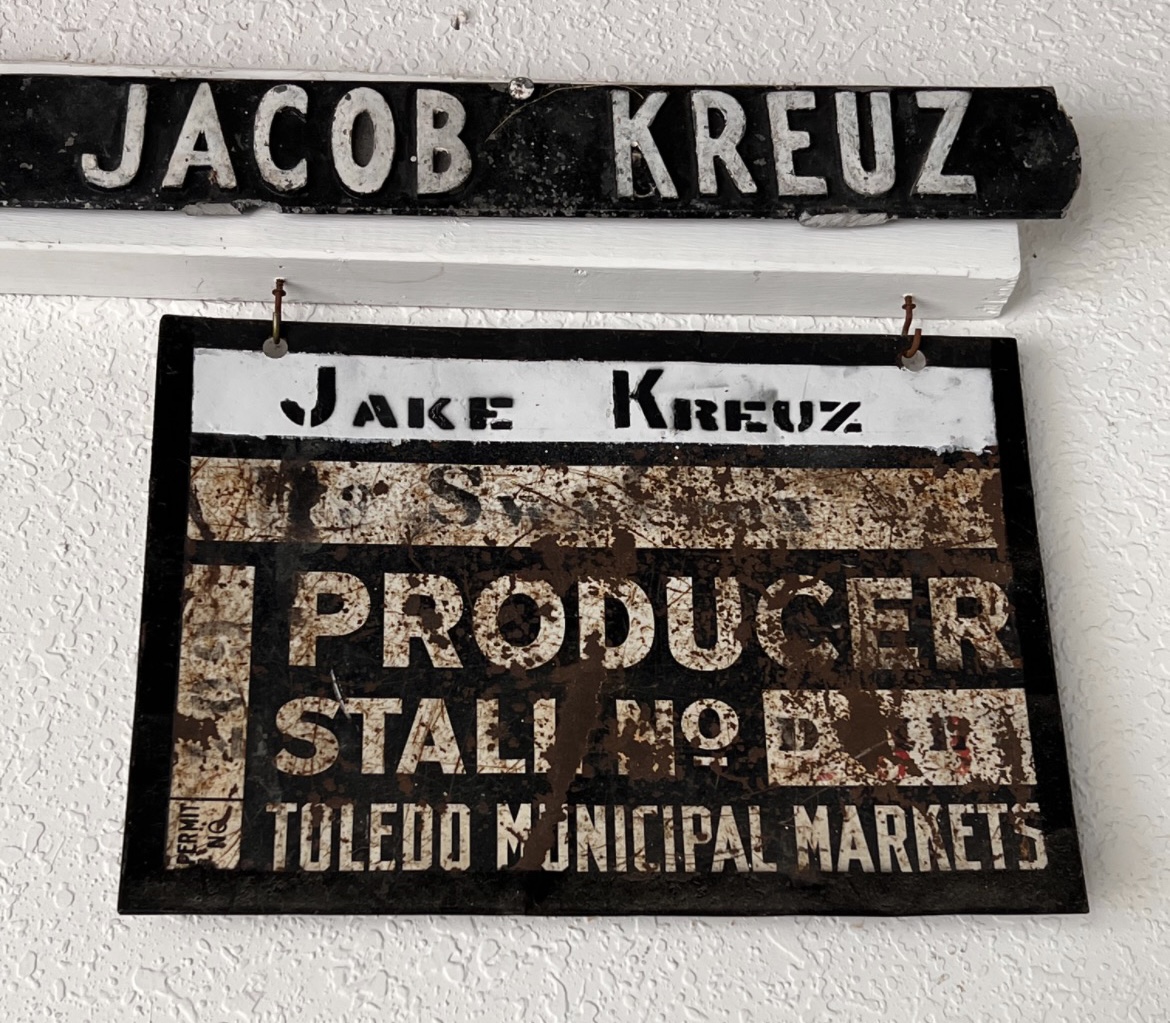
Jacob’s stall sign as a merchant selling his goods
I recently came across an article in The New Yorker about the Google lawsuit against Uber, which prompted me to reflect on the beginning of my journey 25 years ago when I left Robert Half to establish AP Professionals. As I delved into the article, memories of my youthful ignorance and hubris flooded back. At that time, I was a young professional with a supportive wife and two remarkable children. Despite having a good job, the entrepreneurial spirit always burned within me.
My most valuable assets then were the client relationships I was building and the knowledge I had gained in the staffing industry, though I later realized it wasn’t as extensive as I had believed. I always relied on opening doors and my business card. One significant obstacle to venturing out on my own was the one-year non-compete agreement I had signed in good faith. Seeking legal counsel, I consulted three different lawyers, two of whom told me it wasn’t worth the paper it was written on, while the third suggested that if he were representing the plaintiff, he’d keep me off the market for a year.
During that time, my prospective business partner (who became my closest friend through our joint ventures over the past 25 years) advised me, “Be patient; it’s the right thing to do. We can explore other opportunities for a year, and then we’ll launch your new staffing business without any issues.” My new lawyer at the time, Frank Gaglione, echoed this sentiment, advising me to leave without taking anything, “not even a paperclip.” I resigned, upheld my non-compete agreement, discovered 66 other opportunities, and embraced the Root Philosophy. I still have that magical 66 list and several of those ideas took hold as well. That year turned out to be a unique opportunity for exploration and strategic planning, rather than the business purgatory some might see it as.
Frank Gaglione’s legacy of helping clients and friends live in infamy.
For a couple of years leading up to my departure, my bank account urged me to disregard the non-compete contract and jump right in. Fortunately, I heeded the advice of Tony, Frank, and my mom. Today, 25 years later, I find myself comfortable and proud of the businesses we have built.
As I approach 60, I acknowledge that I’m in the latter part of my career, but I’ve always relished the back nine because it’s where everything happens.
*Now, returning to that article about Google versus Uber.
What I didn’t know back then was that non-compete agreements were more enforceable on the East Coast than they were on the West Coast. This distinction traces back to 1957 when Silicon Valley was born, thanks to a young group of engineers who played a pivotal role in creating a more dynamic and less restrictive business environment. The difference between William Shockley’s employees in 1957 and myself in 1993 was that I adhered to decision-making based on standards and ethics. To this day, we maintain those principles as the foundation for our business growth.
At times, adhering to standards may affect ethical considerations. For my part, while recognizing the importance of standards, I’ve leaned towards ethical choices. So, the next time you face a decision, give due consideration to the standards, but ultimately, let your ethics guide you. I know that doing so makes my mom proud.
Back to that article. Click here for the PDF in its entirety. Google versus Uber
Last night I picked my mom up for dinner, and on the way out of the house, I walked by the piano that she has always played and I asked her “Hey mom, when did dad buy you that piano?”
Since my dad died of Alzheimer’s Thanksgiving week of 2018, my mom and I have had some wonderful discussions about her life with my dad. So many things are coming to light that I simply never knew in the 58 years that I knew Norm. Mom has detailed recall of his life on the farm, in the Navy, his career with the Yellow Pages, and the things he did with her and raising us. Fortunately Alzheimer’s hasn’t reared its ugly head with her. There are so many things that have come to light in the last 10 months since he passed. I can’t help but ask my mom countless questions about him about and things I really never knew. My best friend knows how my mind works, and when I see something, it get’s me thinking about something else, I change the subject, I ask a question, I get an answer, and move on.
So I picked mom up for dinner last night and headed over to Dandelions’s, one of my dad’s favorite spots since they opened in 1984. What’s really transpired, and tweaked my curiosity since he’s been gone, are countless reminders of him that pop into my head, and the countless questions to my mom and detailed answers she has to satisfy my curiosity. So as mom is telling me about what Lester Holt had to say today, I’m walking by the piano in our house, and cut her off mid stream, and ask her how long we’ve had the piano. Anyone who knows me knows I like to ask questions (thoughtful ones in my opinion), and when I get my answer, I move on. But not when my mom answers. She’s got my attention and we stick to one subject. So she proceeds to tell me, in life, if she wanted something bad enough, she would constantly remind my dad, and after enough reminders, he’d usually deliver. Mom played the piano as a kid back on the farm along with her two sisters, and I recall as a child and later on in life, she had quite the gift as a pianist. I’m not sure my dad knew that, but what I do know, is he did many thoughtful things in his life, and one thing I’ve come to learn about him, is how he learned how to get buy, make a buck, enjoy life, and deliver some nice gifts along the way. Needless to say my mom got her piano.
All because of a farm girl playing piano back in the day and the burning desire to do it again.
I have a deep and abiding love for golf that has been a part of my life since I was a child. It all began when I started caddying for my dad at Audubon, and my journey through the world of golf has been filled with unforgettable moments and experiences. From my early days learning the game to competitive events and humorous discussions at the 19th hole, golf has been a constant source of joy and camaraderie in my life.
Caddying and Hand-Me-Down Clubs:
My golfing journey kicked off as I followed my dad around the picturesque greens of Audubon while caddying for him. I still remember the day we headed out to South Shore to purchase his annual set of clubs from Iggy Banko. It was a rite of passage for me as I received the hand-me-down set, a tradition in our family. Those clubs marked the beginning of my golf career, and I couldn’t have been more excited to step into the world of golf. It was my turn to shine on the fairways after my brothers, Tim and Dan, had received their clubs the previous year.
High School, College, and Competitive Golf:
My golf journey didn’t stop with those hand-me-down clubs. I went on to play golf in high school and college, which further fueled my passion for the game. Competing in various events, from scrambles to invitations, gave me the opportunity to hone my skills and share memorable moments with fellow golf enthusiasts. One of the highlights was participating in the Lockport Invitation with my dad, an event where we came tantalizingly close to victory.
The Art of Plum Bobbing:
Recently, I was discussing plum bobbing with some friends, and it struck me how every golfer has their own unique take on this technique. My own approach to plum bobbing has been shaped by a book a friend recommended and the wisdom I gained from Mike Bender’s golf school. However, I can’t help but smile when I think of my dad, one of the finest putters I’ve known, who relied on his instincts, wrists, and feel when it came to putting. Plum bobbing, while a valuable skill, sometimes feels like it could have been a humorous addition to a golf classic like Caddyshack.
The Ultimate Finish:
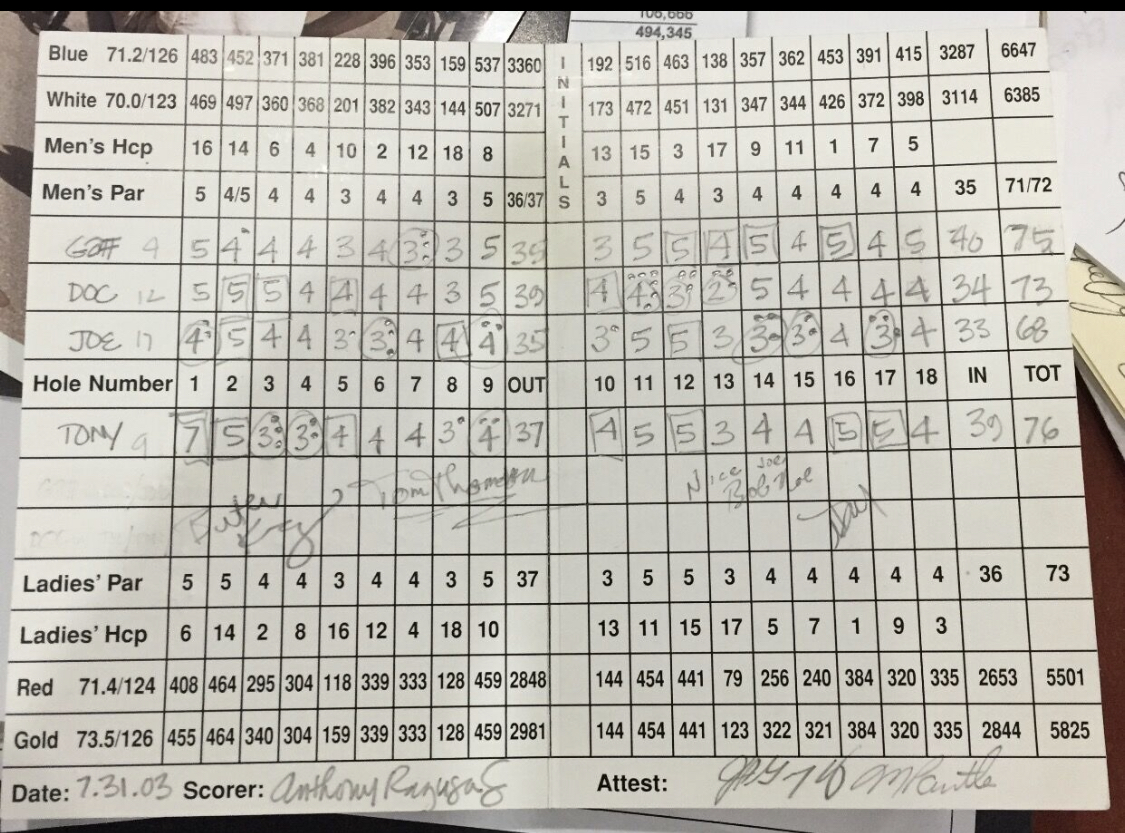
One of the greatest stories I have in my golfing journey is how my friends in a close-knit group helped me reach the finish line. It’s a testament to the camaraderie and support that the golfing community can offer.
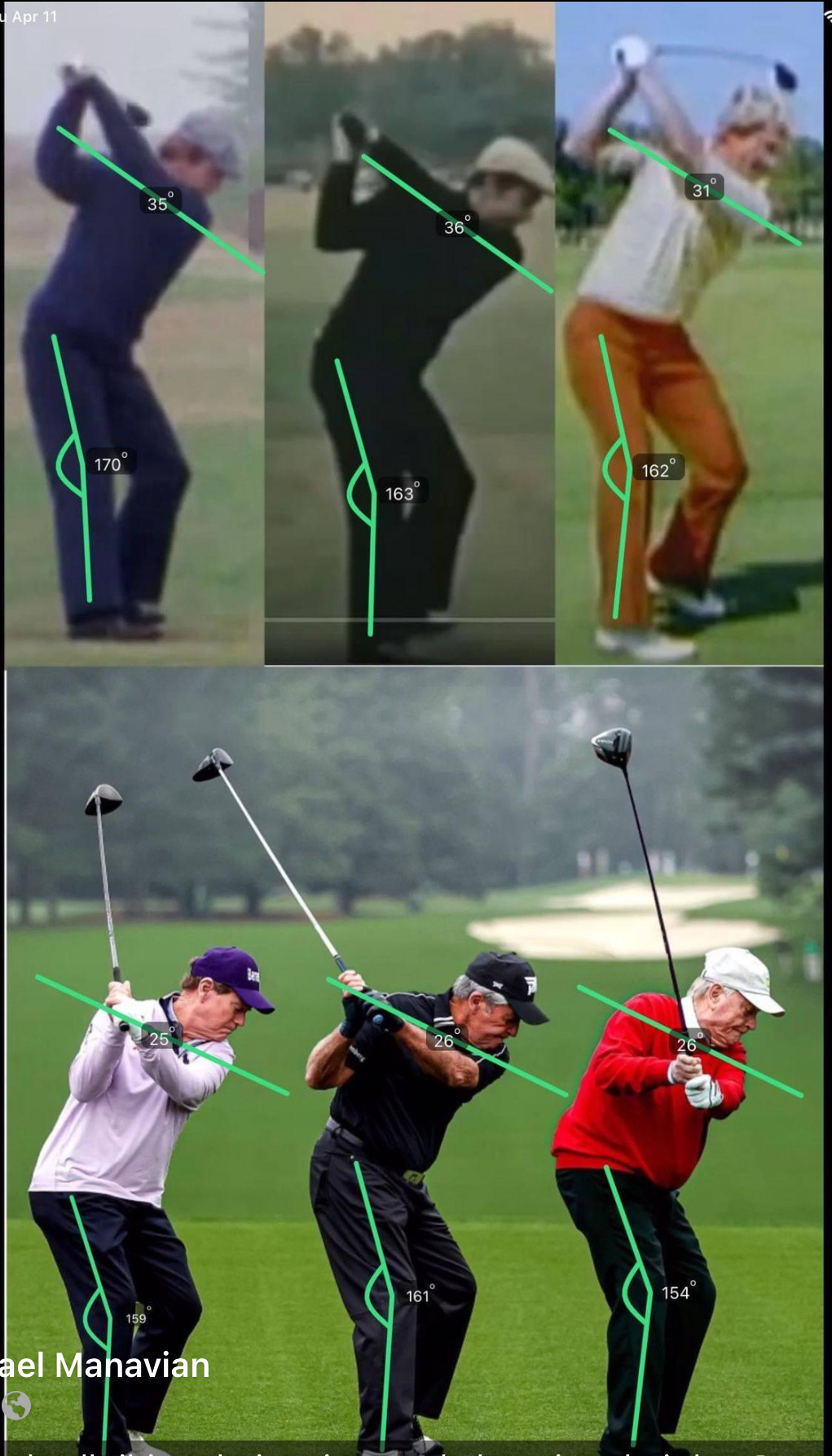
Reflecting on that remarkable day, I find solace in the enduring legacy of golf’s greatest icons. The sight of Tom Watson, Jack Nicklaus, and Gary Player, teeing off at the Masters, serves as a poignant reminder of the timeless allure of the game. Theirs is a story of resilience, of transcending the boundaries of age and time. As I gaze upon images capturing their prowess in youth juxtaposed with the seasoned grace they exhibit today, I’m filled with a sense of anticipation for the years ahead.
For just as they have navigated the peaks and valleys of their golfing careers with grace and fortitude, so too do I look forward to the journey that lies ahead. With every swing, every putt, I am reminded that golf is not merely a game of skill but a lifelong pursuit of joy and camaraderie. And as I tee off into the next 20+ years, I do so with a heart full of gratitude for the memories made and the adventures yet to come.
Future Plans and a Glimpse of the 19th Hole:
Should I ever get around to writing a book, there’s no doubt that one of the chapters will be dedicated to golf and all its quirks and intricacies. Here’s a humorous glimpse into some of the topics and discussions we’ve all engaged in at the 19th hole, the heart of post-round camaraderie:
Playing Number 11 at Brookfield: How to properly line up your fourth putt – it’s no gimme.
Helping your opponent organize and count the clubs in his bag.
Hitting a Callaway from the rough when you hit a Titleist from the tee.
Avoiding the water when you lie 8 in a bunker.
Getting more distance off the shank – a skill in its own right.
Knowing when to give the Ranger a heads up.
Using your shadow on the greens to maximize earnings.
Implementing handicap management strategically.
Rationalizing a six-hour round – an art form.
The quest for that ball everyone else saw go into the water.
The harsh truth: No one cares that you birdied the 5th.
The etiquette of letting a foursome play through your twosome.
Maintaining composure when you’re hitting five off the tee.
Offering swing advice to your opponent – carefully.
The birdie-to-bogey three-putt and its unique frustrations.
The art of planning a footprint in your opponent’s path without them noticing.
Marking your ball as if you’re playing tiddleywink.
The secret to getting free carts from your club pro.
Giving yourself a generous three-footer – “who’s it hurting?” philosophy.
The subtle act of pocketing your opponent’s ball while still assisting in the search.
The dilemma of taking advice from someone who has no clue how to plumb bob.
Golf is more than just a sport; it’s a lifelong journey filled with experiences, camaraderie, and laughter. From my early days on the course to the humorous discussions at the 19th hole, golf has given me countless memories and a passion that will continue to burn bright. Whether you’re a seasoned golfer or just starting, there’s always something new and exciting waiting for you on the greens.
I read an article the other day about the evolution of the millennial generation and their ability as it relates to working for, working with, and having to work for Post War leaders, Baby Boomers, and Gen-X. It focused on workplace distractions, and it got me thinking about output and how output is what remains relevant in the workplace. Linda Ronstadt was quoted that no one has connected one generation to the next better than the Eagles, better than any Behavioral Scientist can. There is just something about music, and I concur, because all my kids love the Eagles, as do I. The Eagles
Currently, generations make up our society. Each of those six generations has an active role in the marketplace. Depending on the specific workplace, the workforce includes four to five generations. I had the privelege of seeing the Greatest generation in action as I navigated through my teens and twenties.
The Greatest and Silent Generation: Born 1945 and before
Post War Generational Behaviors
Let me begin by making some basic observations. I grew up watching my father, a real post war stereotype, providing for his family and making many friends over the years. He’ll be 90 this year, and I find myself talking about my observations as a child and teenager He made a good living, he was paid on output, he did what he had to do, and then he found time to enjoy life. Distractions are different from generation, and if a three martini lunch wasn’t a distraction back then, I don’t know what was.
As much as this new generation is welded to their tablets and smartphones, and employers at times ban them from certain workplace environment, every generation has been distracted at work, unless you consider the three-martini-lunch normal? And even though certain kids are medicated or high these days, very few are getting hammered at lunch like the good old days.
Baby Boom Behaviors
We are a pretty vain generation. Certain Boomers on unearned income borrow money on things they don’t need to impress people they don’t like, and then there are those waiting for the trust fund to kick in.
With regard to how we work, one of my favorite sayings my friend shared with me in a sales meeting when he turned in his weekly report was “Don’t confuse activity with results.” As for me, at age 24, I chose the same profession as my dad and embarked on a sales career. I only had three jobs, and took pay cuts at every position move with incentives based on output. I had to turn in a report every week about sales calls, phone calls, prospects, revenue generation, client retention, and community service.
Back in my 20’s and early 30’s, I worked for a public company with many offices. Each office had a little dink word processor for correspondence and a fax machine, and that was it. I had the opportunity to visit many offices and teach my peers some sales techniques, including a stint in the UK. I turned down a promotion to move there, and, looking back, I’m glad I did.
We sat in a bullpen and that was tough for some. What were my distractions? A phone personal call or kicking back to read Sports Illustrated. We didn’t have desktop computers so there were no ergonomics concerns and no carpal tunnel leaves-of-absence. The only thing you got was a stiff neck from being on the phone too long or a sore hand from too many handshakes. I showed a friend of mine his old business card. It didn’t even have a fax number on it. I used to call his landline, write notes and delivered resumes via a cab driver.
We were taught to do one thing. Get results. And always with the understanding not to confuse business standards with ethics. We all know there are many paths to output, from thank you notes to lunches and dinners to gifts to bribes.
Generation X
Known for work-life balance, less loyal than the boomers, more tech savvy, craves attention and reassurance they are doing a good job, and a bit of a free agent mentality to job hop elsewhere if they’re not feeling valued.
Millennials earning their way to a billion dollars
Millennials
Personally I’m looking forward to the millennials repairing the damage the Boomers have done. How things have changed. We now put in cell phone lockers when we need all distractions eliminated. Bring your pet to work, work with your shoes off, sit on the floor, and work from home. But there is still only one thing that matters. Output.
“Millennials have become the largest generation in the workforce. Millennials are also the fastest-growing generation of customers in the marketplace, bringing the greatest lifetime value. In addition, Millennials exhibit different attitudes toward employment, sales and marketing, which are challenging many conventional strategies and approaches.” –http://genhq.com/faq-info-about-generations/
A 2014 Harris Interactive survey on behalf of CareerBuilder, a job recruitment website, found that 38 percent of U.S. workers had a younger boss, up from 34 percent in 2012.
In closing
There is the current dilemma of long range planning for any business, private or public, and how to motivate the staff, regardless of which generation is steering the ship. A friend of mine helped give some clarity to what’s next:
You can continue to learn as we grow and teach/coerce as we go;
The management of a company can learn as they grow and be a valuable resource for the owners to depend on and enjoy building with;
You can outsource the skill set necessary to take the company to the next level and beyond;
Or cash out; and, finally,
The owner can put the brakes on and let all of the employees enjoy their success for a while, and just sit back and listen to the Eagles.
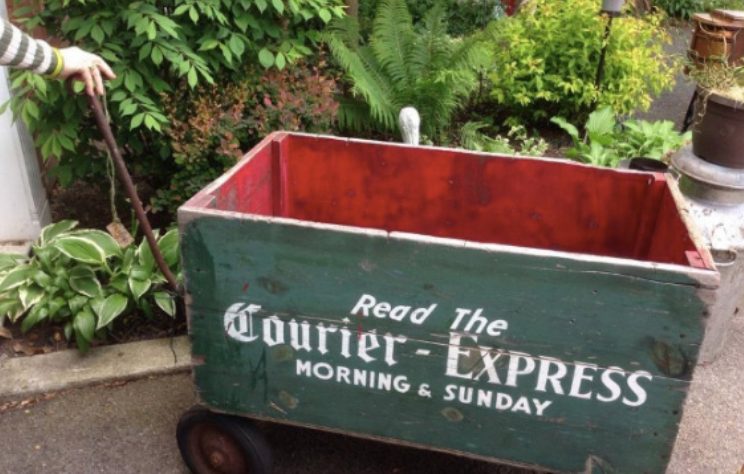
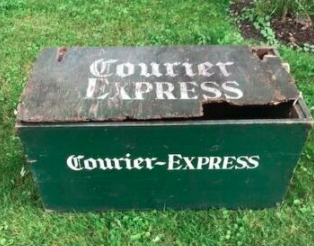
It was Christmas day and my mother gave me a hermetically sealed copy of the last addition of the Courier Express. It was right around the anniversary of the Buffalo Blizzard of 1977 and got me thinking about my day job in grade school and high school and the history of the Courier Express and my pals delivering the Buffalo News. I was 17 years old at the time of the great 1977 blizzard and it was the only time since I took over the route from my brother where I actually had a few days off. I had 100 customers of every size, shape, color and interesting and colorful personalities and a few stodgy cheap curmudgeons.
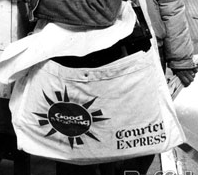
That being said, we never got a day off, and if you were lucky enough to go on vacation with your family, you usually had to beg someone to take the route, lay out a map by hand, and overpay to take the route for the week. And how about when you got your license and you didn’t have to pull the wagon through the snow? Who doesn’t remember dragging that wagon through the snow and when it got too deep, you’d anchor it to a sled for easy going? And how about collecting in subzero temps and the customer saying “You were here last week!! There is no way I owe for two weeks!!!” Your hands were so cold it was hard to make change by the end of collections. And waking up at 5:45 AM to see if they called your name on the radio for a free prize. A genius idea to get the carrier army up and roaring ensuring early delivery. And having to borrow money from mom to pay your weekly bill if collections fell short, and she gave it to you interest free. And oh, the bonus, the Christmas calendar, other gifts from some like holiday cakes and cookies, nothing from some, and the noticeable generosity of tips from others. The reward you’d get for being a good business person throughout the year.
To this day I remain an early riser and I attribute it to the Courier. We were armed with all the tools: the delivery bag, the collection tickets, the wagon and the delivery box.
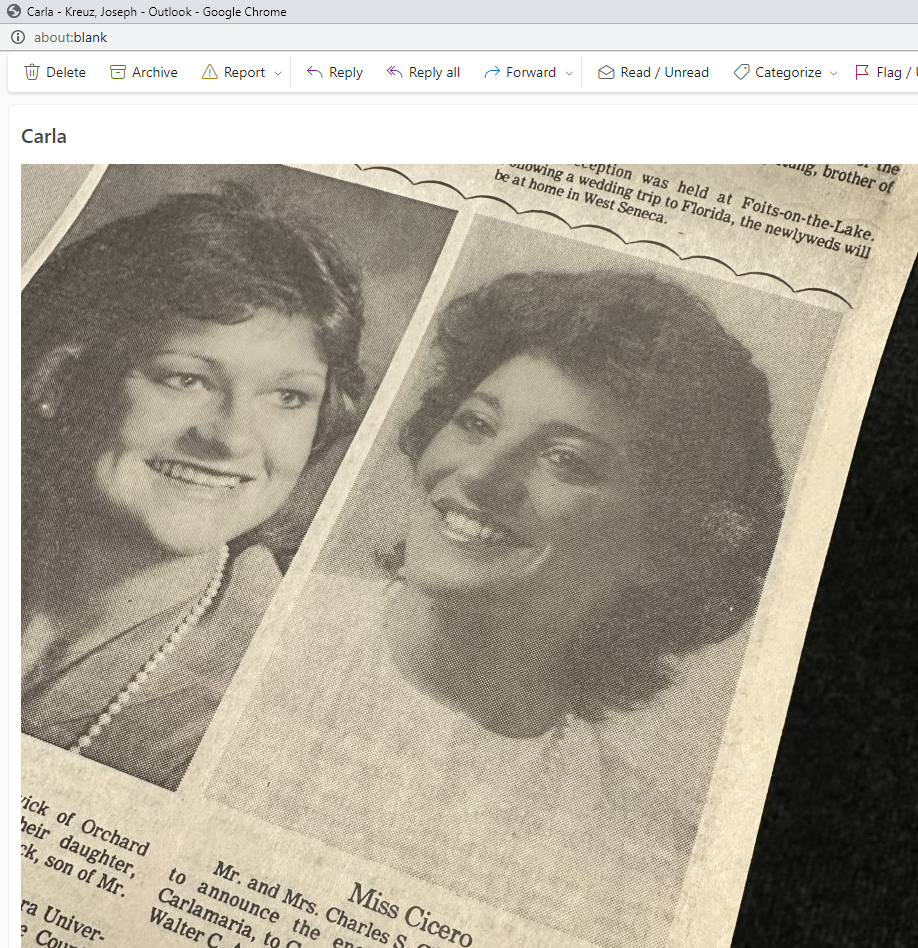
That paper installed good business values. I read page by page the hermetically sealed copy of the last edition of the Courier dated September 18,1982. As I sifted through the sections and pages it was a walk down memory lane. I digressed and read some interesting historical data on the Courier Express, like Mark Twain was an editor in 1869 and they added a Sunday edition in 1875. I found a good friend’s engagement picture, close acquaintance Carla. Was she surprised when I texted her a snap shot of it.
A bit of historical perspective
If you had the Buffalo News route back in the day there was no Sunday edition until 1979. My close friend Rich Weber had the same route I had delivering the Buffalo News. We used to collect together and one of our notable customers was Syd Pastor whose family owned the Pepsi franchise. On occasion he was home and usually owed us $50 each along with a generous tip. My Courier route Monday through Saturday paper count was 35 papers and it was usually a flimsy 35 pages. Rich delivered 65 Monday through Saturday Buffalo Newspapers to the same geographic area. I could stuff all my papers into two delivery bags over each shoulder and off I went. According to John Connolly, a seasoned Buffalo News editor and retired Air Force enlistee “The Wednesday and Thursday editions of the Buffalo News were gigantic compared to the Courier with coupons and advertisements. The Courier saved their coupons and ads for Sundays.” My last year delivering was 1977 and the daily paper was ten cents and the big Sunday money maker was 75 cents. I’d usually get a 15 cent tip on the weekly Courier charge of $1.35.
Connolly also noted “It wasn’t until 1979 when Warren Buffet took the helm that the News started Sunday delivery as well.” As I was delivering and getting to know my customers, usually at collection time, I didn’t know the Buffalo News was the scrappy republican paper and often at odds with the sedate democratic liberal morning paper. I was too young to know the two papers were at odds over the new Bills stadium location where the News wanted the burbs and the Courier advocated for a downtown location. My customers were an eclectic mix of business folks, lawyers, stoners, engineers, moms and the highlight was Milt Northrop was on my route.
Oh those were good times and there should be some type of retired paper delivery alumni association for all of us.
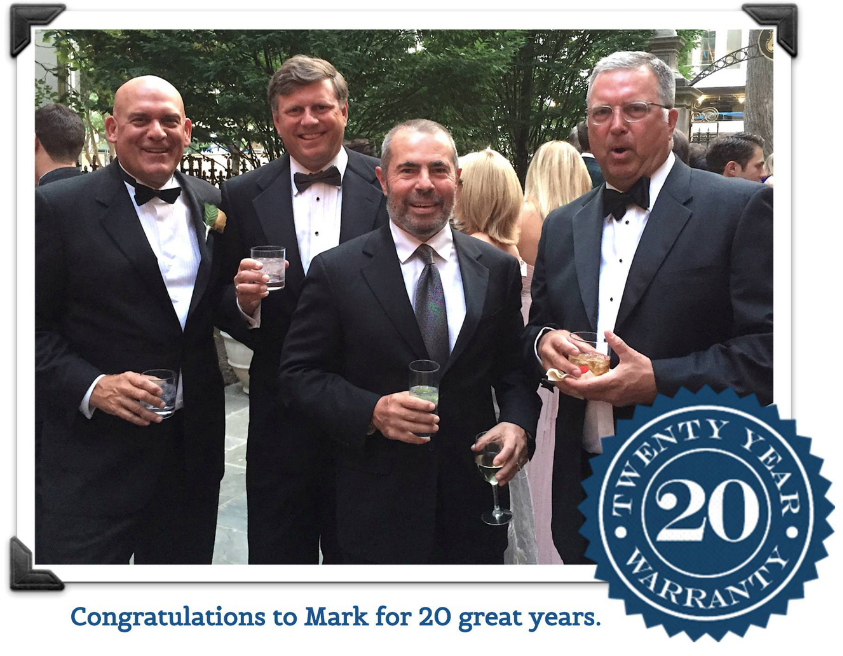
I met Mark Pautler in high school in 1974, and we went on to finish college together, competed against each other early on, worked together for six years honing our craft, and partnered up together for phase three in 1996, and enjoyed building together ever since.
March 19, 2023. Hello everyone! I am thrilled to share some wonderful news with you today! As many of you know, we have been sharing updates about my amazing mother, Eloise, on my blog for over 8 years now. And today, on her 92nd birthday, I am filled with joy and gratitude as I reflect on all the beautiful memories we have made together as a family. Through it all, my mother’s unwavering leadership and sharp mind have been a source of strength and inspiration for us all.
We have celebrated the births of more great-grandchildren, witnessed some incredible weddings, with two more coming this year, and marked many more milestones since that first blog post. And as we look to the future, we know that we have so much more to celebrate together as a family. That’s why we are planning an epic house party in honor of my mother – a celebration of her incredible life and the many blessings she has brought into all of our lives.
So, I raise a glass to my amazing mother, Eloise, and all the joy and love she brings to our family. Cheers to many more years of happiness and celebration, Mom. We all love you.
As we wind down 2015, I was at my parents’ the other night reminiscing about the year with my mother Eloise. I’ve been fortunate to be able to spend some quality time with her lately. I was thinking about all my friends and the one common link we all have. We often talk about our mothers. Some lost their moms early, some midstream, and some of us are still fortunate to have them in our lives. Living or deceased, who doesn’t enjoy talking about their mom in mixed company?
Mom has ten great-grandkids as of 1.1.2023, and my granddaughter Eloise is named after her. I happened to be there when my daughter told my mom what she was having and what they’d be naming her. That was a magical moment that I’ll cherish forever. As she cares for my dad, we’ve been enjoying talking about many things in our lives. She used to love watching Norm and me play gin rummy, and occasionally I’d pick a lucky card and win.
She’s had some great accomplishments in her life: number one in her class in nursing school, a skilled nurse, a lifetime accountant for the family Courier Express route, six healthy children, 18 grandkids, ten great-grandkids, a husband who always knew the difference between right and wrong, a hole in one, attended a Super Bowl, and sound relationships with all of her daughters-in-law and son-in-law.
Twelve years ago, we celebrated their 50th wedding anniversary, and what a party it was, with that monstrous-size family of theirs. Twelve years later, they are still going strong, and Norman appreciates all she does for him. I made a choice not to move away 26 years ago, and as I look back at the life we’ve enjoyed in Buffalo, I’d say that was a pretty wise move.
Mom retired from nursing at age 75, and the caregiver in her has held strong for all of us. My family often wonders how many term papers she typed, how many cab rides she took us to the doctor, and how many times she walked to the grocery store.
I often tell her how much I love what I do, and she told me her dad retired from farming at age 93. That gives me hope for the next 27 years, and I hope to be as prosperous and successful as he was.
We spent many years traveling back to the family farm in Ohio, and those are memories we’ll all cherish forever. In the world of lavish vacations and social media, I wouldn’t trade those family farm vacations for anything.
The Kreuz Family farm house including green house, hay loft, chicken coupe and dairy cattle




 So I picked mom up for dinner last night and headed over to Dandelions’s, one of my dad’s favorite spots since they opened in 1984. What’s really transpired, and tweaked my curiosity since he’s been gone, are countless reminders of him that pop into my head, and the countless questions to my mom and detailed answers she has to satisfy my curiosity. So as mom is telling me about what Lester Holt had to say today, I’m walking by the piano in our house, and cut her off mid stream, and ask her how long we’ve had the piano. Anyone who knows me knows I like to ask questions (thoughtful ones in my opinion), and when I get my answer, I move on. But not when my mom answers. She’s got my attention and we stick to one subject. So she proceeds to tell me, in life, if she wanted something bad enough, she would constantly remind my dad, and after enough reminders, he’d usually deliver. Mom played the piano as a kid back on the farm along with her two sisters, and I recall as a child and later on in life, she had quite the gift as a pianist. I’m not sure my dad knew that, but what I do know, is he did many thoughtful things in his life, and one thing I’ve come to learn about him, is how he learned how to get buy, make a buck, enjoy life, and deliver some nice gifts along the way. Needless to say my mom got her piano.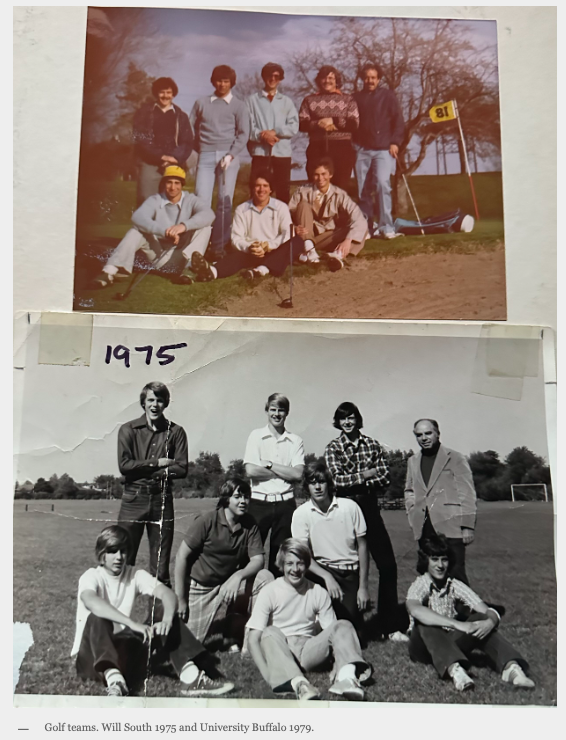






 josephkreuz.com